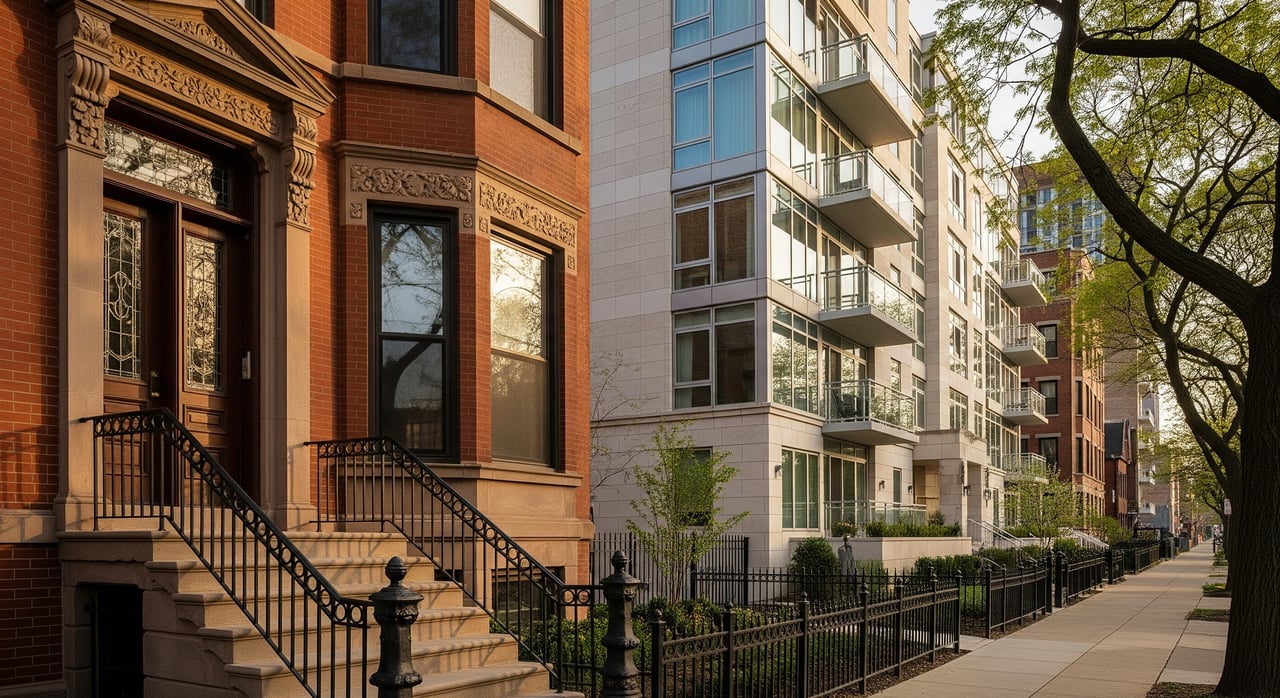
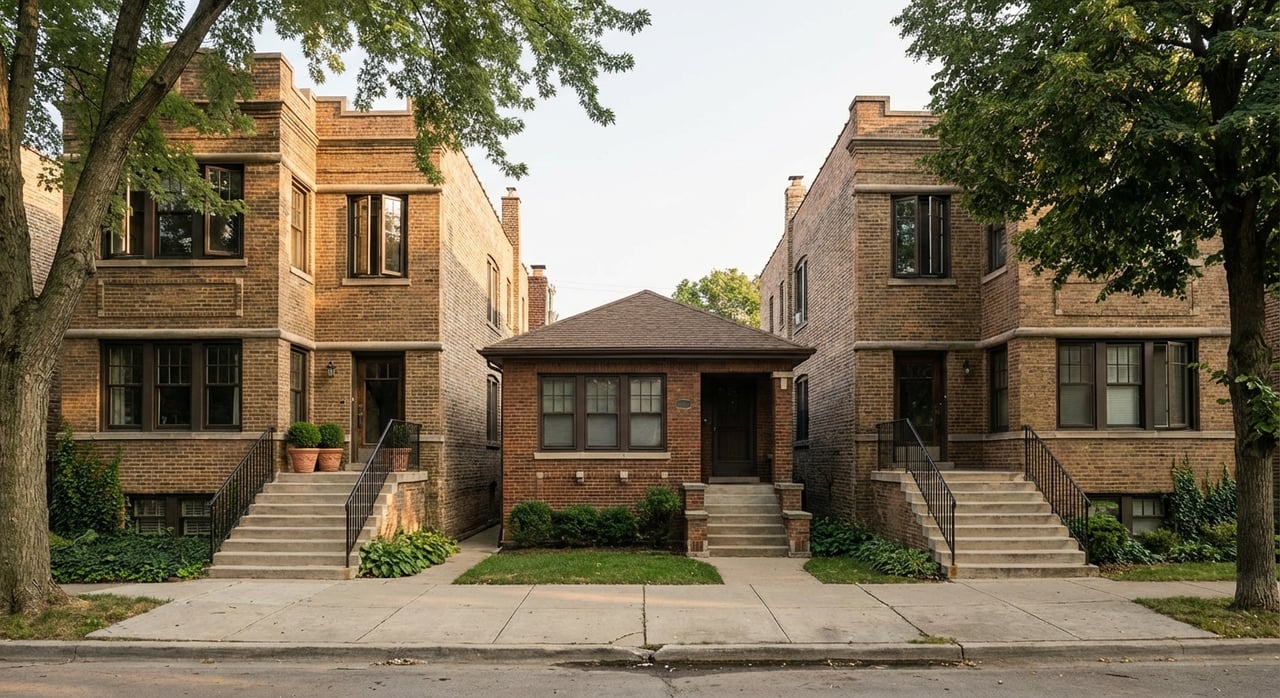
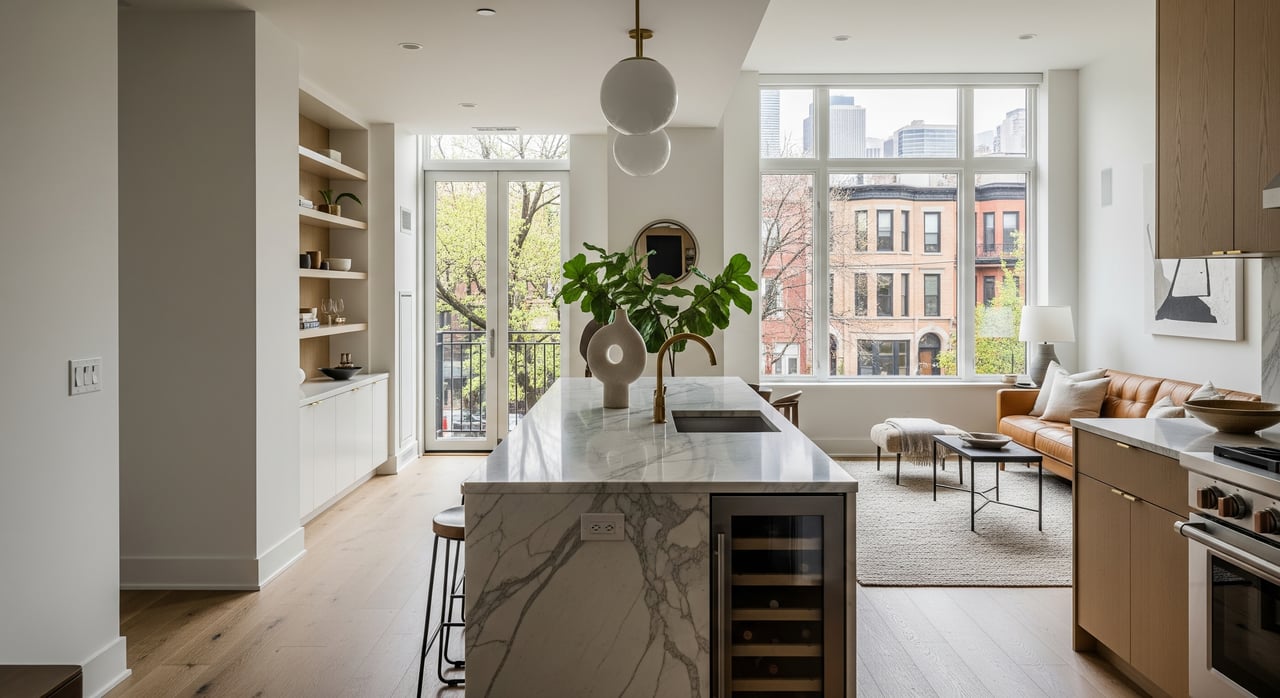
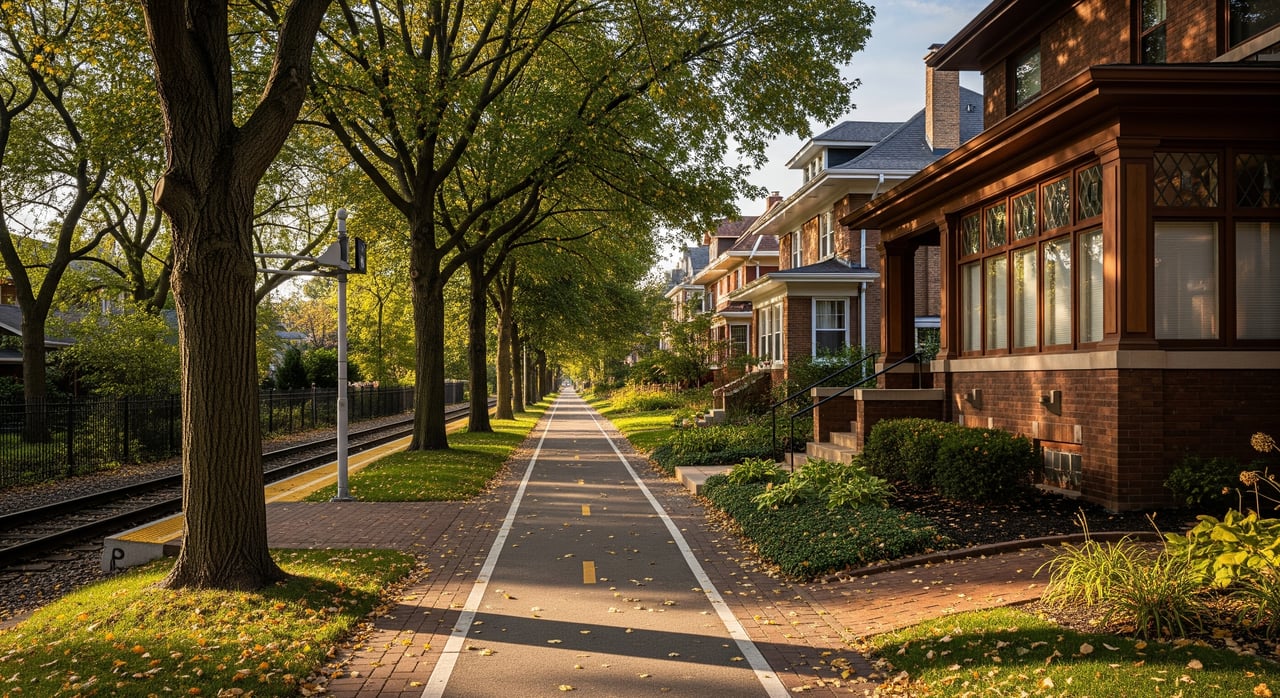
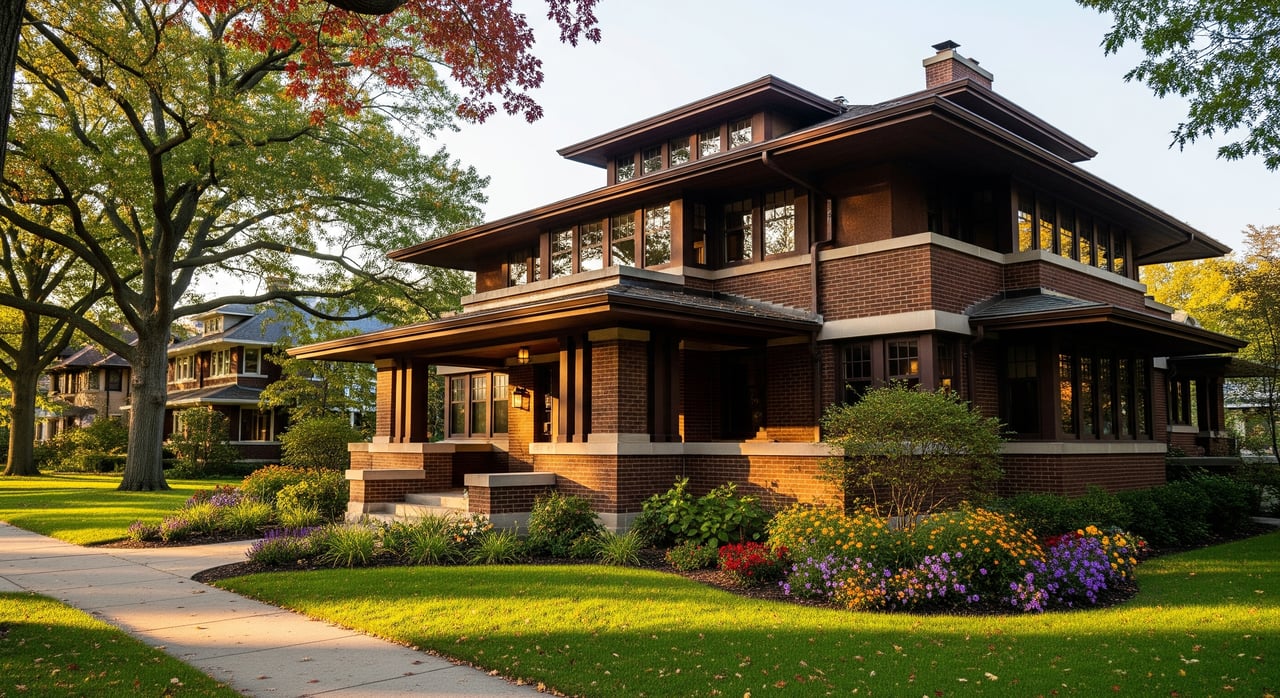
Trying to choose between a townhome and a condo in Bronzeville? You are not alone. This decision shapes your monthly costs, your maintenance load, and your day-to-day lifestyle. In this guide, you will get a simple framework to compare both options, what to check before you write an offer, and neighborhood tips that actually matter in Bronzeville. Let’s dive in.
Quick take: Townhome vs condo
Both options can work well in Bronzeville. The right choice depends on how you plan to live, what you want to control, and how you want to spend each month.
| Best for |
Townhome (fee simple) |
Condo |
| Maintenance |
More owner responsibility and control |
Less day-to-day work with shared upkeep |
| Monthly budget |
Fewer or no HOA dues, more direct maintenance costs |
HOA dues add predictability for building care |
| Outdoor space |
Often private yard, stoop, or garage roof deck |
Balconies, shared courtyards, rooftop access vary by building |
| Financing ease |
Often simpler at the property level |
Lender will review the condo project too |
| Resale buyers |
Buyers wanting single-family feel |
Buyers seeking lower maintenance or entry price |
Note that some properties marketed as “townhomes” are legally condominiums. Always confirm the legal ownership type in the deed and the condo declaration before you decide.
What you actually own
Understanding ownership is the biggest step to a clear choice.
- Fee-simple townhome: You own your unit and the land it sits on. You are responsible for exterior elements like the roof, yard, and garage unless there is an association that controls some shared items. This setup is often treated like a single-family home for financing and taxes.
- Condominium: You own the interior of your unit. The building’s exterior, structure, and common areas are owned collectively by the association. You pay monthly assessments that fund maintenance, reserves, insurance for common elements, and management.
To understand rights, rules, and obligations, review the Illinois Condominium Property Act and the building’s governing documents. The Act outlines how associations operate, what owners are responsible for, and how assessments and reserves work. You can review the statute through the Illinois General Assembly site under the Illinois Condominium Property Act 765 ILCS 605.
- Learn more about the statute on the Illinois General Assembly site under the Illinois Condominium Property Act 765 ILCS 605.
Total monthly cost, not just price
Look at the full carrying cost, not only the purchase price. Your monthly number includes: mortgage payment, HOA assessments or dues, property taxes, insurance, and utilities.
- Condos: Dues often cover exterior maintenance, reserve contributions, master insurance, and sometimes heat or shared utilities. Lower entry prices can be appealing, but dues add up. Ask what is included so you can compare apples to apples.
- Townhomes: You may have few or no dues, but you absorb exterior maintenance, roof replacement, snow removal, landscaping, and all utilities. Budget for routine upkeep and long-term capital projects.
For taxes and exemptions, you can review how Cook County values property and explains exemptions on the Cook County Assessor website. That helps you estimate your long-term carrying costs.
- See the Cook County Assessor for assessment explanations and exemptions.
Maintenance, control, and rules
Think about your tolerance for projects and your desire for control.
- Condos: The association handles common elements like the roof, exterior, sidewalks, and landscaping. You trade some control for less day-to-day work. Association rules may limit exterior changes, certain renovations, or short-term rentals.
- Townhomes: You set the pace for repairs and improvements and can usually customize exteriors within city zoning and permit rules. You also carry full responsibility for hiring contractors and funding capital work.
Before you decide, request rules and regulations and ask about recent and planned projects. Healthy reserves, clear maintenance schedules, and clean meeting minutes are good indicators of stability.
Financing and appraisal differences
Financing can be simpler for fee-simple townhomes because lenders focus mostly on the individual property. Condos add a second layer. Your lender will review the building’s finances, owner-occupancy levels, delinquency rates, insurance, and reserves.
If you plan to use FHA or VA financing, check condo project approval early in your search.
- Review FHA condo project approval guidance through HUD.
- Review VA condo approval resources through the VA Home Loan Center.
If a project is not approved, some lenders can do spot approvals or offer conventional options. Get pre-approved with a lender who understands Chicago condos so you know what is possible before you fall in love with a unit.
Parking and transit in Bronzeville
Parking pressure in Bronzeville varies block by block. Many condos include assigned outdoor parking or garage spaces. Townhomes often offer private garages or driveways. Always confirm whether the space is deeded, assigned, or on a waitlist, and ask about guest parking.
Street parking rules can affect daily life. Chicago uses residential permit programs on some blocks and enforces street cleaning schedules. Before you buy, check the City of Chicago’s guidance to see if your block participates and how permits work.
- See the City of Chicago Residential Parking Permit program overview.
Bronzeville also benefits from access to CTA rail, bus routes, and major arterials to downtown and the lakefront. If you prioritize a quick commute, weigh garage convenience against being near transit.
Outdoor space and lifestyle
If you want a private yard for a grill, garden, or pets, a fee-simple townhome often delivers more space. Many Bronzeville townhomes also include roof decks or small yards, depending on lot size and design. Condos may offer balconies, shared courtyards, or rooftop access with skyline views. Decide whether private space or shared amenities better fits your daily routine.
New builds vs conversions
You will see both new construction and conversions throughout Bronzeville. Each comes with trade-offs.
- New builds: Modern systems, energy efficiency, and builder warranties can be attractive. Early HOA budgets may look low at launch, so ask for multi-year projections and planned reserve contributions.
- Conversions: Classic architecture and established blocks can be appealing. Older infrastructure can mean future roof, plumbing, or electrical projects. Reserve levels vary after conversion, so review the budget, reserve study, and capital history.
For exterior work, rooftop decks, or other changes, Chicago requires appropriate permits. Understanding the permit process helps you plan improvements and avoid fines.
- Review the City of Chicago building permit process overview.
Due diligence for new builds and conversions should include builder reputation, warranty terms, building-level inspection questions, and association financials.
Resale demand and buyer pool
Condos generally attract first-time buyers, downsizers, and investors who value lower maintenance. Townhomes appeal to buyers who want a single-family feel with more private space. New construction with modern finishes can pull a broader pool at a premium. Expect townhome trends to track single-family dynamics more closely, while condo demand may ebb and flow with affordability and HOA costs.
To understand the current Bronzeville market by property type, review the latest local market snapshots from the Chicago Association of REALTORS. Median prices, days on market, and inventory can shift quickly.
- Check Chicago Association of REALTORS market stats for current trends.
What to ask before you write an offer
Use this checklist to avoid surprises and compare options clearly:
- Priorities: Is lower maintenance or more control over exterior space more important to you?
- Financing: Will you use FHA or VA? If yes, confirm condo project approval status with your lender now.
- Parking: Do you need a private garage, or will assigned or street parking work? Confirm deeded spaces and any waitlists.
- Monthly budget: Set a target for HOA dues if buying a condo and estimate maintenance reserves if buying a townhome.
- Listing filters: Verify legal type in the MLS listing and ask for confirmation in the deed or condo declaration.
- On-site checks: For condos, review common areas, mail/package rooms, elevator condition, and signs of water issues. For townhomes, inspect roof lines, gutters, foundation, stoops, garage doors, fencing, and drainage.
- Condo/HOA docs: Request declaration and bylaws, budget and reserve study, recent financials, 6 to 12 months of meeting minutes, rules and regulations, certificate of insurance, details on past and pending special assessments, rental policies, litigation disclosures, and owner occupancy ratios.
- Taxes: Review estimated taxes and exemptions through the Cook County Assessor to understand your carrying costs over time.
- Permits for plans: If you plan to add a deck or change exteriors, review the City of Chicago permitting process before you buy.
Red flags to watch
- Very low condo dues with little or no reserves. This can point to future special assessments.
- High delinquency in dues or frequent special assessments without a long-term plan.
- Pending litigation involving the association.
- Conversion buildings with unclear records on roof, masonry, plumbing, or electrical work.
- Properties marketed as “townhomes” that are legally condominiums. Confirm the legal form.
Next steps
- Get pre-approved with a lender experienced in Chicago condos and fee-simple townhomes. Ask how HOA dues and project approval may affect your loan.
- Set up listing alerts filtered by legal property type, year built or recent rehab, HOA dues, parking type, and outdoor space.
- For any condo you like, request the full condo packet early so your attorney and agent can review it before you commit.
If you want a calm, practical path through the choices, you can work with a broker who understands both ownership types and how they live over time. For a high-touch, local approach backed by property-management insight, connect with Kandyse McCoy Cunningham for guidance and private-listing access.
FAQs
What is the main legal difference between a Bronzeville townhome and a condo?
- In a fee-simple townhome, you own the unit and the land; in a condo, you own the unit interior while the building exterior and common areas are collectively owned and managed by the association under the Illinois Condominium Property Act.
How do condo HOA dues work and what do they usually cover?
- Dues typically fund common-area maintenance, building insurance, reserves for future repairs, and sometimes heat or shared utilities; always review the budget and reserve study to see what is included.
Can I use FHA or VA financing on a Bronzeville condo?
- Yes, but the condo project usually needs to meet FHA or VA approval standards, so confirm eligibility with your lender early using HUD and VA resources.
How can I check if my Bronzeville block requires a residential parking permit?
- Review the City of Chicago Residential Parking Permit program to see if your block participates, how permits work, and what rules apply for visitors and street cleaning.
Which condo documents should I review before making an offer?
- Ask for the declaration and bylaws, current budget, reserve study, recent financials, meeting minutes, rules, insurance certificate, special assessment history, litigation disclosures, and rental policy so your attorney and agent can evaluate building health.