Living in Albany Park Chicago: Parks, Dining & Daily Life
February 5, 2026
February 5, 2026
What draws so many Chicagoans to Albany Park? For many, it is the easy rhythm of daily life, from riverfront walks to a quick train ride downtown, paired with a rich mix of global food and friendly neighborhood streets. If you are weighing a move, you want a clear picture of what living here feels like day to day. This guide walks you through parks, dining, transit, and practical essentials so you can decide if Albany Park is a fit for your lifestyle. Let’s dive in.
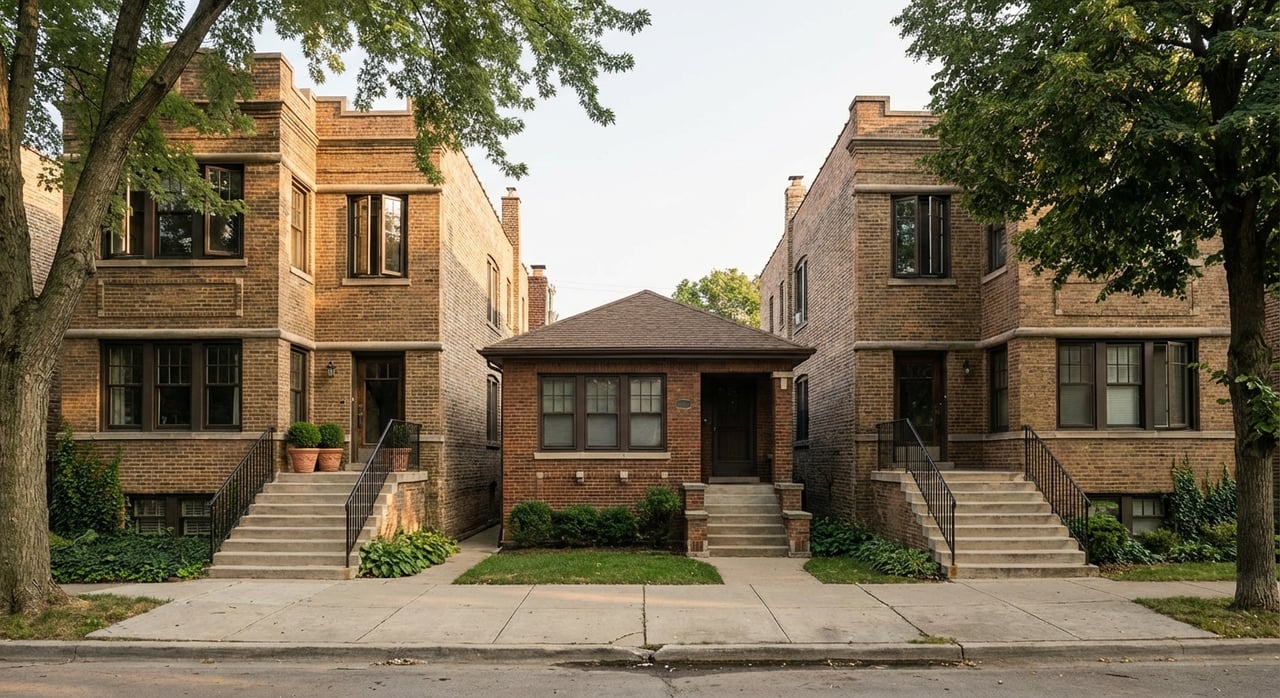
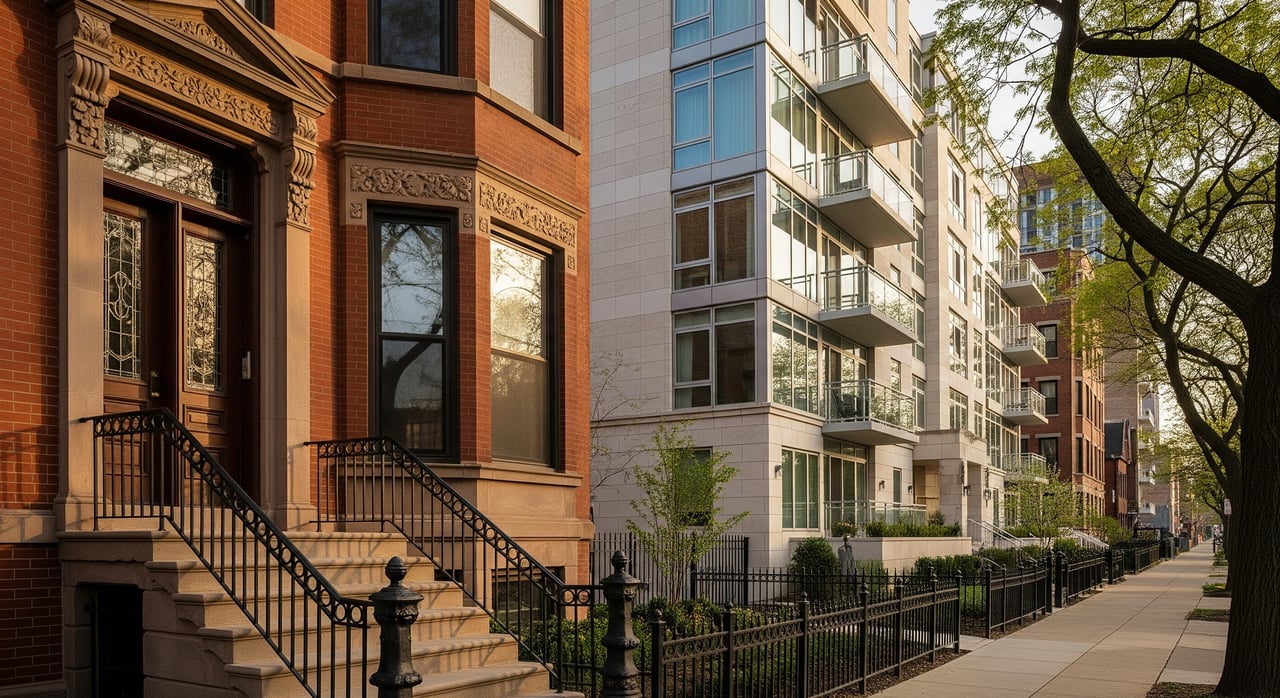
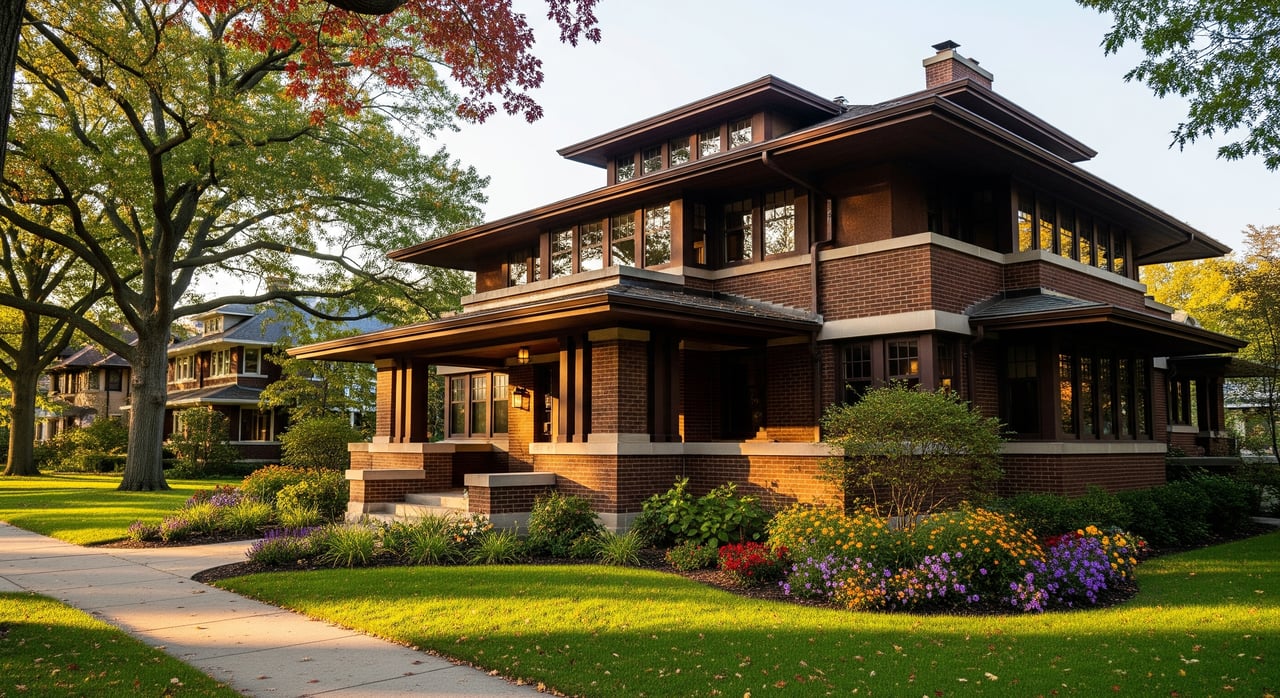
Albany Park is known for its cultural and linguistic diversity, visible in its storefronts, markets, and community festivals. You see a mix of classic greystones, two flats, brick walkups, and mid‑rise apartments on calm side streets, with livelier storefronts on Lawrence, Kedzie, Kimball, and parts of Foster. Many residents choose the area for its relative affordability compared to other North Side neighborhoods, along with its welcoming, lived‑in feel. When you walk the main corridors, you will find small businesses, family‑run restaurants, and practical services close to home.
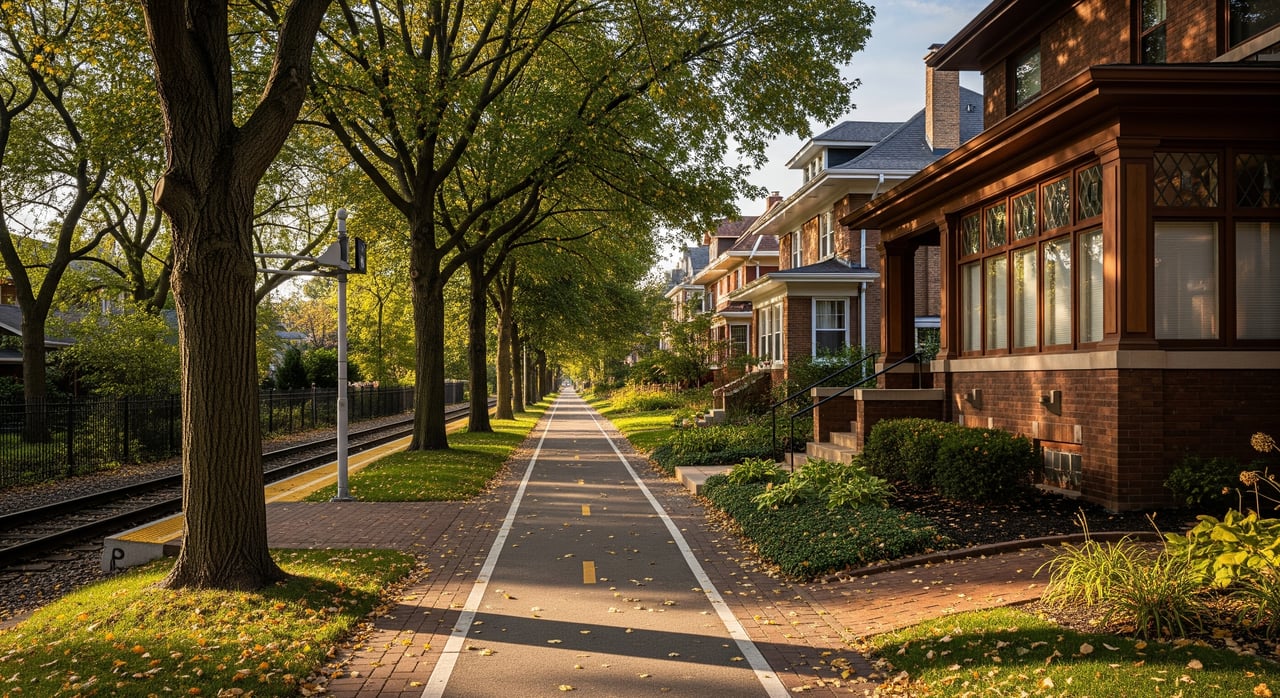
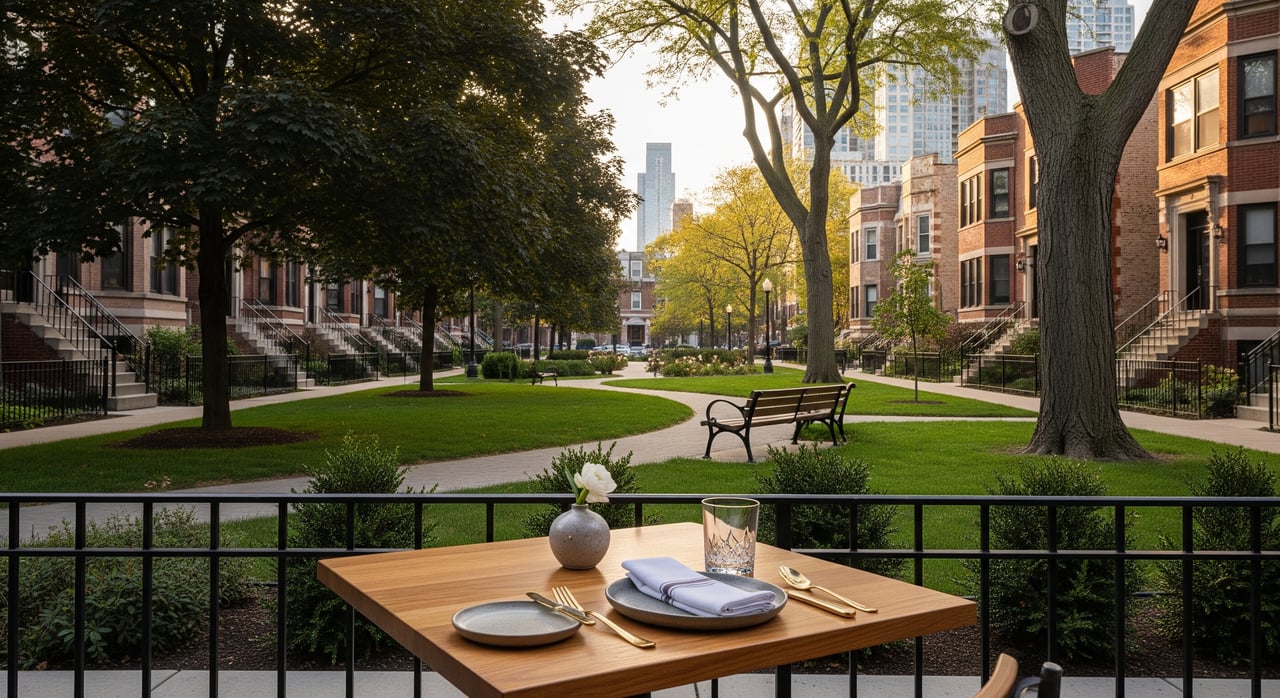
Living along the North Branch of the Chicago River adds easy access to green space. You can lace up for a bike ride or stroll by the water, then cut back through residential blocks that feel a world away from the Loop. The neighborhood’s park network includes playgrounds, athletic fields, tennis and basketball courts, and seasonal community gardens that support weekend routines.
Here is how you might use the outdoors in Albany Park:
To confirm amenities and programs, browse the Chicago Park District’s site for current park pages and schedules. You can start with the main portal and search by location using the Park District’s resources on the Chicago Park District website.
Albany Park’s food scene shines because of its authenticity and range. You will find halal butchers, Latin American bakeries and pupuserias, South Asian and Middle Eastern groceries, Korean businesses, and more. Most spots are casual and affordable, which makes eating out midweek or grabbing a specialty ingredient feel easy on the budget.
If you cook at home, the mix of international markets and neighborhood grocers means you can shop locally for staples and hard‑to‑find items. Coffee shops and low‑key bars round out the picture for weekend hangouts and remote‑work breaks.
The CTA Brown Line’s Kimball branch serves Albany Park, with the line terminating in the neighborhood. From here, a typical train ride to the Loop often takes under an hour depending on transfers and time of day. Multiple bus routes run crosstown to connect you to other train lines and nearby neighborhoods. For current schedules and service alerts, check the CTA maps and schedules.
If you drive, expect off‑peak travel to downtown to range roughly 20 to 40 minutes depending on traffic. Street parking is common, and some blocks have permit restrictions, so it helps to review local signs before you park. For details on parking regulations and neighborhood transportation projects, visit the City of Chicago Department of Transportation.
Biking is a practical option for local errands and weekend rides, especially with access to river paths and nearby trail connections. Many multi‑unit buildings provide bike storage, and dedicated lanes on select corridors make short commutes more comfortable. If biking is central to your routine, include secure storage and route options in your property search criteria.
You will find day‑to‑day conveniences within a short walk or a quick bus hop. The neighborhood includes pharmacies, clinics, and primary‑care offices, with larger hospitals reachable within a short drive. To locate healthcare facilities and confirm services, refer to the Illinois Department of Public Health.
If you want a quieter residential base with an authentic, global food scene, Albany Park fits well. Renters and first‑time buyers often choose it for relative affordability and transit access, while longtime owners value the stable, small‑business corridors. Active residents appreciate river paths and easy bike mileage, and families like the choice of playgrounds and park programs. If you are an investor, the higher share of multi‑unit buildings and strong renter demand can be appealing, especially with operational support close at hand.
Every Chicago neighborhood evolves, and safety perceptions vary block by block. For objective context on recent incidents, review official reports on the Chicago Data Portal crime data. Community meetings, local organizations, and block clubs often share tips and resources, which can help you match a home to your comfort level. As always, walk the area at the times you would normally be out, and note lighting, foot traffic, and transit options.
If Albany Park sounds like the right fit, you deserve guidance that blends neighborhood insight with practical strategy. For a curated list of on‑market and private options, and advice that continues well after closing, connect with Kandyse McCoy Cunningham.
Stay up to date on the latest real estate trends.