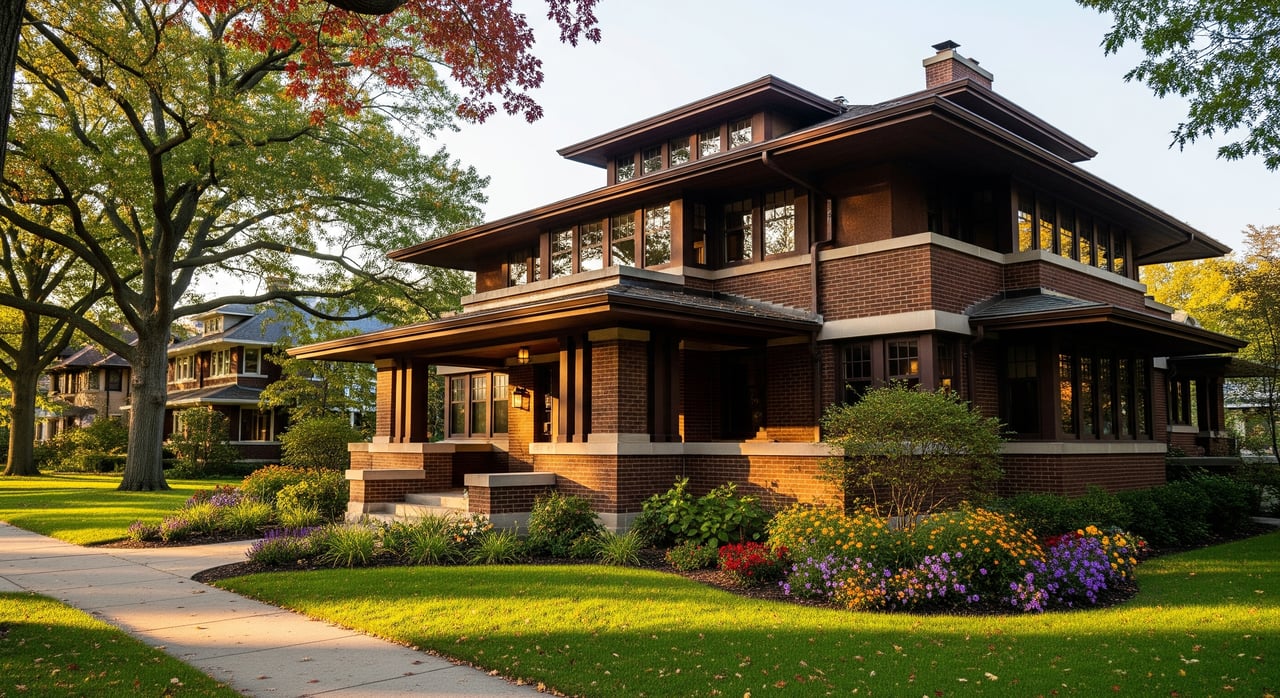
Oak Park Historic Home Buying: A Complete Guide
December 4, 2025
December 4, 2025
Have you fallen for an Oak Park home with original woodwork, art glass, or Prairie lines? You are not alone. These homes offer character you cannot buy new, but they also come with unique inspections, permits, and budget planning. In this guide, you will learn what to look for, how local rules work, and how to budget and finance your purchase with confidence. Let’s dive in.
Oak Park is known for early 20th-century architecture, including many houses influenced by Frank Lloyd Wright and the Prairie School movement. You will also find Arts & Crafts, Tudor Revival, Colonial Revival, and some Victorian-era homes. Each style carries character-defining features that shape value and care.
Common features include original wood windows, stained or art glass, plaster walls, built-in cabinetry, and detailed wood trim. Many homes have brick or stone masonry, deep porches, and period roof materials like slate or metal. Preserving these elements is often central to the home’s appeal and long-term value.
Buying a historic home means focusing on structural health, moisture, and aging systems. Plan for a full home inspection by someone experienced with older houses, then bring in specialists as needed.
Foundations and basements can show settlement, cracked masonry, or mortar deterioration. Oak Park soils and older drainage often lead to basement moisture, so evaluate grading, gutters, and downspouts. Water that is not managed outside often becomes a costly interior problem.
Older roofs may be slate, metal, or early asphalt. Ask about the age, flashing, soffits, and attic ventilation. Leaks from failing roofs often damage interior plaster and framing, so this is a top priority.
Historic brick typically used softer lime mortar, not modern cement. If repointing was done with hard cement mortar, the brick can spall or fail. Have a mason familiar with historic mortar assess joints, stone, and previous repairs.
Porch foundations, decking, railings, and column bases often show water damage. Trim and sills can rot where water collects. Repair in-kind with matching materials preserves both function and character.
Original wood sash and stained glass may be sticky, drafty, or have failing glazing compound. A preservation window specialist can estimate repair vs replacement cost and long-term performance. Retaining historic windows is often more cost-effective over the full life cycle.
Many early 20th-century homes still have knob-and-tube wiring or lack grounding. Service capacity may be undersized for modern needs. Assess the electrical system, boiler or furnace age, and the presence or absence of central air before you budget upgrades.
Historic homes often lack modern insulation. Wall insulation retrofits require care to avoid trapping moisture. Focus on air sealing, attic insulation, and weatherstripping as first steps that do not harm historic fabric.
Expect the possibility of lead-based paint in any pre-1978 home. Some older materials can contain asbestos. Testing and, if needed, abatement planning help you budget safely and meet code.
Have a chimney professional inspect the flues and liners. Unlined chimneys can present safety risks. Fireplaces that are not in use should still be checked for soundness.
Look for signs of termites, wood-boring insects, or mold in lower levels. Moisture control is key to preserving wood, plaster, and masonry. Addressing sources of dampness will protect your investment.
Historic homes benefit from targeted expertise. Along with a whole-house inspector experienced with older properties, consider:
Local preservation rules matter. Some Oak Park properties are local landmarks or sit within local historic districts, which can trigger review of exterior changes visible from the public street. National Register status may also apply, but local designation is what typically drives village review.
Exterior changes that alter materials or design, such as window replacements, porch alterations, siding changes, additions, or demolition, often need Historic Preservation Commission review and a permit. Routine maintenance and in-kind repairs are usually allowed but may need documentation. Interior work is typically not reviewed unless restrictions or easements say otherwise.
To plan ahead:
Historic homes reward care and planning. Ongoing maintenance tends to cost more than a newer home because of specialized materials and craft. Expect periodic painting and trim repair, masonry repointing, porch repairs, and window upkeep.
For larger projects, costs rise when you need custom millwork, art glass repair, slate roof work, or ornamental plaster. Build time into your plan for village approvals, contractor schedules, and material lead times.
A simple budgeting framework:
If you plan to renovate, explore mortgages that combine purchase and improvement costs. FHA 203(k) loans for owner-occupants and Fannie Mae HomeStyle Renovation loans are common options. Work with a lender familiar with older homes and renovation timelines.
Tax incentives vary. Federal historic tax credits generally apply to income-producing properties, not owner-occupied single-family homes. Some state or local programs, such as grants, low-interest rehab loans, or façade support, may be available. Confirm current offerings in Illinois and with the Village of Oak Park as programs change over time.
When budgeting, also plan for code-triggered upgrades. Opening walls can require you to bring wiring or plumbing to current standards. Add time and contingency to stay on track.
Use this checklist to focus your due diligence and protect your budget:
Historic homes call for a proactive strategy. A knowledgeable agent helps you confirm designation status, interpret what that means, and set contract contingencies that protect your plans. You also get introductions to inspectors, preservation architects, contractors, and lenders who understand Oak Park’s process.
Your agent can gather municipal records, prior permits, and any preservation approvals so you are not guessing about past work. They can help you stage your project timeline, from inspections and village review to bids and closing. If you are planning to own long term, integrated property-management insight can also help you map out maintenance and budgeting.
If you want a high-touch experience with clear guidance from search to stewardship, connect with Kandyse McCoy Cunningham. You will get concierge-level support, trusted vendor referrals, and a plan tailored to your goals.
Stay up to date on the latest real estate trends.