Oak Park Transit and Walkability: A Daily Life Guide
January 1, 2026
January 1, 2026
Thinking about moving to Oak Park but want to keep your city-style convenience? You are not alone. Many buyers choose Oak Park for its quick train access, walkable downtown, and easy daily routines with a little extra space than the city core. In this guide, you will learn how transit, walkability, and everyday logistics actually work here so you can choose a home that fits your routine. Let’s dive in.
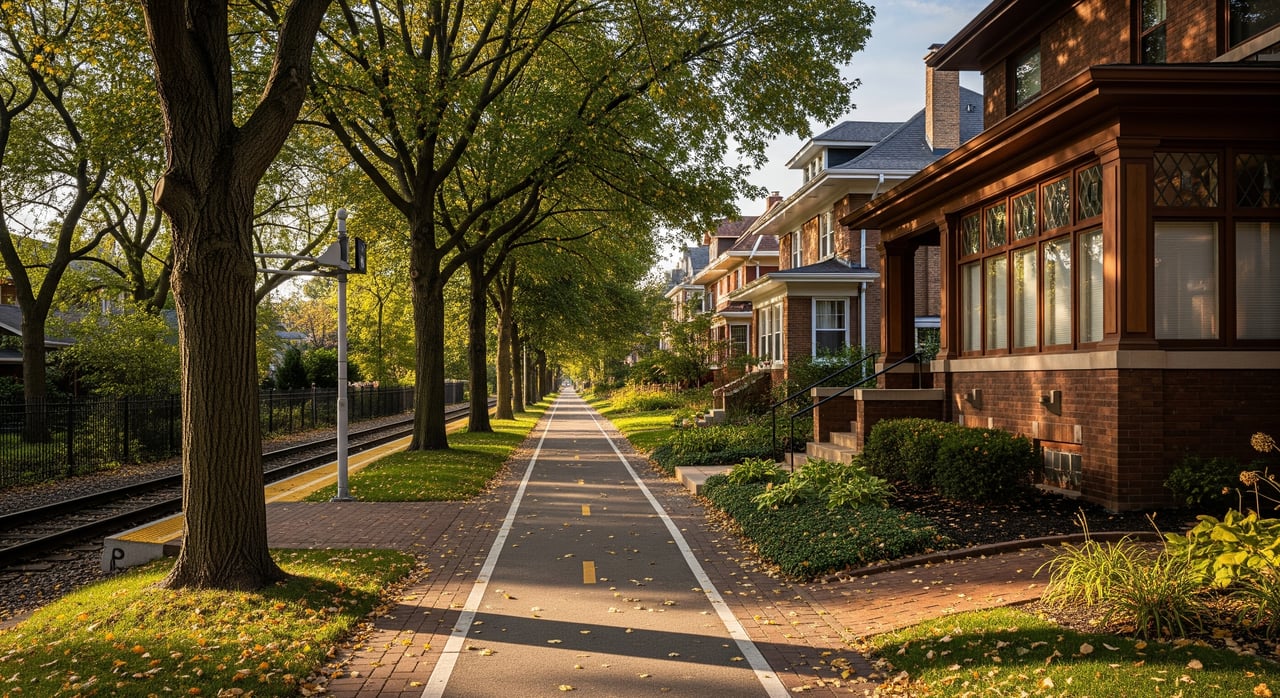
Oak Park sits just west of Chicago in Cook County within the Chicago-Naperville-Arlington Heights metro area. It offers multiple ways to get around without relying on a car every day. You can reach the city by CTA rail, Metra commuter rail, and suburban buses, with biking and walking playing a big role in local trips.
If you want a balanced lifestyle, Oak Park blends urban access with residential blocks and tree-lined streets. The key is matching your daily routine to the right housing location.
The CTA Green Line’s western terminal at Harlem and Lake is on Oak Park’s west side. It provides a one-seat ride into Chicago’s Loop and connects to the wider CTA network. Service is frequent during peak hours. Travel time can be longer than Metra, but you gain direct connections to other CTA lines and city neighborhoods once downtown.
Metra’s Union Pacific West line serves Oak Park with direct trains to Ogilvie Transportation Center. For many downtown commuters, Metra is the fastest rail option thanks to fewer stops and a commuter-oriented schedule. Peak periods offer the most frequency, while off-peak and weekend service runs less often. If you plan to park at a station, review permit options and lot availability before you decide on a home.
Pace and CTA bus routes fill in the gaps for last-mile trips, cross-town connections, and evenings or weekends. Frequency varies by route, and some lines focus on peak periods. If your workday starts early or ends late, check route hours for your specific corridor. Buses can also bridge the distance from quieter residential blocks to rail stations.
Oak Park borders major arterials and connects quickly to I-290. Many residents mix modes, such as driving to a station, using municipal lots, or biking to a platform. Driving into downtown is possible but affected by rush-hour congestion and parking costs. If car commuting is part of your plan, factor in on-site parking at home and permit rules near your preferred station.
Downtown Oak Park centers on the Lake Street corridor near Oak Park Avenue and Ridgeland. Here you will find restaurants, cafes, specialty shops, services, and transit within a short walk. If you want errands and dining right outside your door, this area is your best bet. You can live a very pedestrian-friendly lifestyle here.
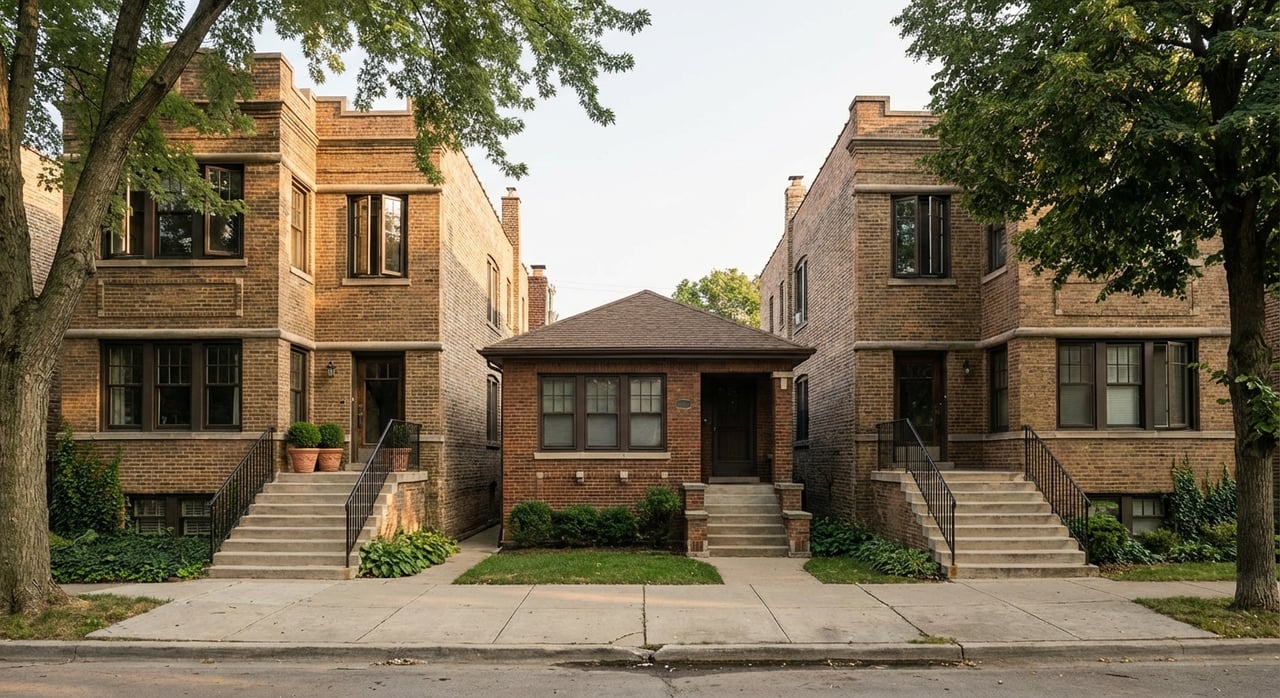
Away from the core, neighborhoods become more residential and quieter. Streets typically have sidewalks and mature trees, with retail a short bike ride or walk away. Your walk-to-everything radius shrinks a bit, but many residents like the tradeoff for more space. Plan your route to the station or your favorite grocery in advance to gauge convenience.
Oak Park supports biking with local bike lanes, signed routes, and connections to regional paths. Many residents bike to Metra or CTA stations, and you will find racks or lockers at most platforms. For daily riders, secure on-site storage matters, especially in multiunit buildings. Confirm whether your building offers indoor bike parking and how deliveries and elevators handle bikes.
If you plan to bike year-round, check which streets and routes get cleared quickly after snow. Arterials and sidewalks near transit tend to be prioritized. A simple winter plan helps, including lights, fenders, and a backup bus or train option when conditions are poor. Test your cold-weather route before you commit.
You can stock up at a mix of independent grocers and regional chains around the village. Weekly farmers markets and specialty food shops add local flavor. If you prefer walking, look at homes near the Lake Street corridor and other commercial nodes. Delivery services are widely available, but check building rules for package rooms and access.
Rush Oak Park Hospital is a major healthcare provider for the area, supported by local clinics and specialty offices. Consider proximity if quick access to care is a priority. For multi-generational households, this convenience can be an important factor. Verify current clinic hours and services when you compare neighborhoods.
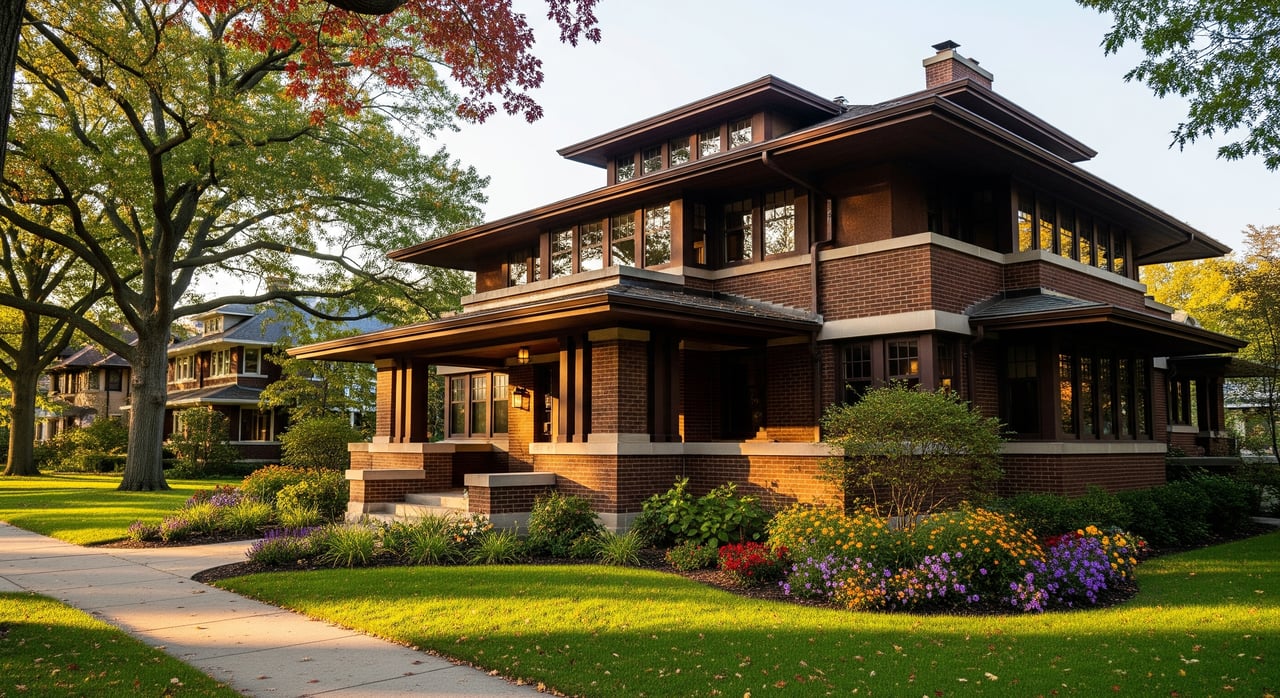
The Oak Park Public Library and its branches anchor community life with programs and longer weekday hours at central locations. Parks, recreation centers, and cultural sites, including Frank Lloyd Wright–related landmarks, round out daily options. Check hours for libraries and municipal services if you often run errands after work. Evening access can be a quality-of-life booster.
Public schools primarily include Oak Park Elementary District 97 for K through 8 and Oak Park and River Forest High School District 200. Oak Park also has private and parochial options. Boundaries, programs, and enrollment policies can change, so verify current details directly with the districts. If schools are central to your move, confirm before you shortlist a home.
Parking rules in Oak Park vary by block and business district. Near stations or busy corridors, you may find residential permit zones and time limits. If you rely on street parking, learn the exact rules for your block and the cost of permits. For buyers, on-site garage or driveway parking can simplify life.
Some stations and nearby areas have permit or metered lots that serve commuters. Demand can be high, and some permits have waitlists. If your routine includes park-and-ride, review current availability before you commit to a location. Your goal is a predictable morning routine with minimal surprises.
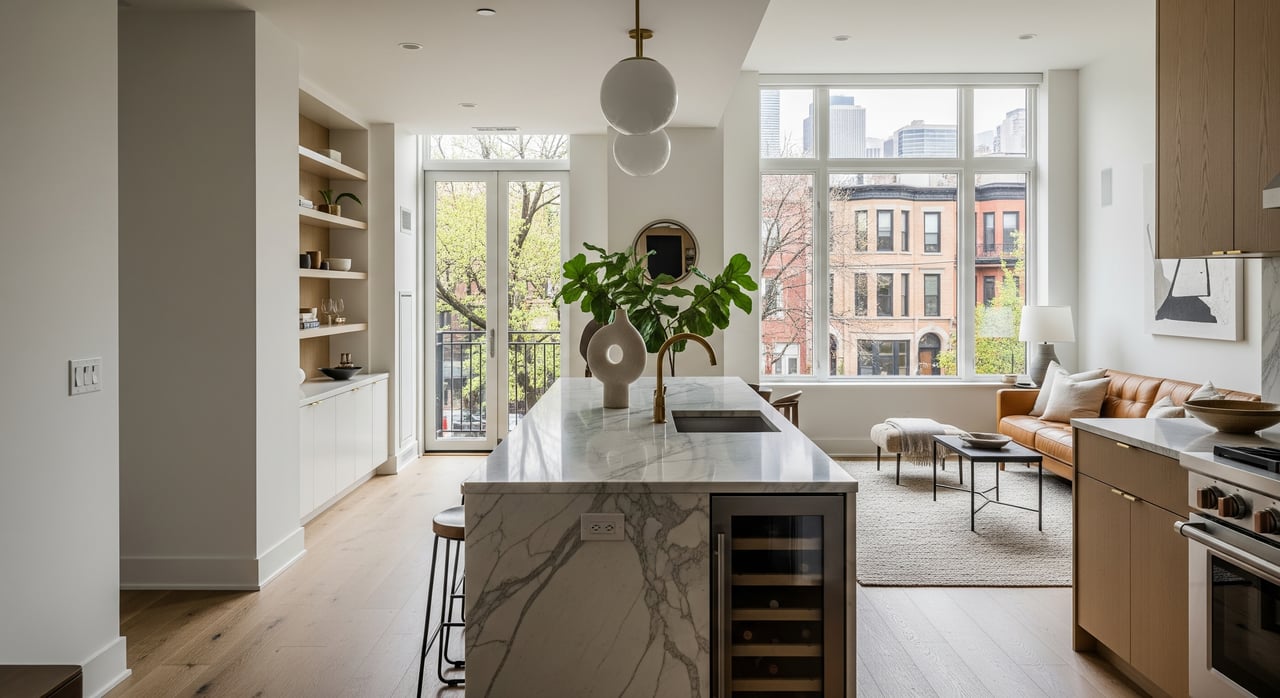
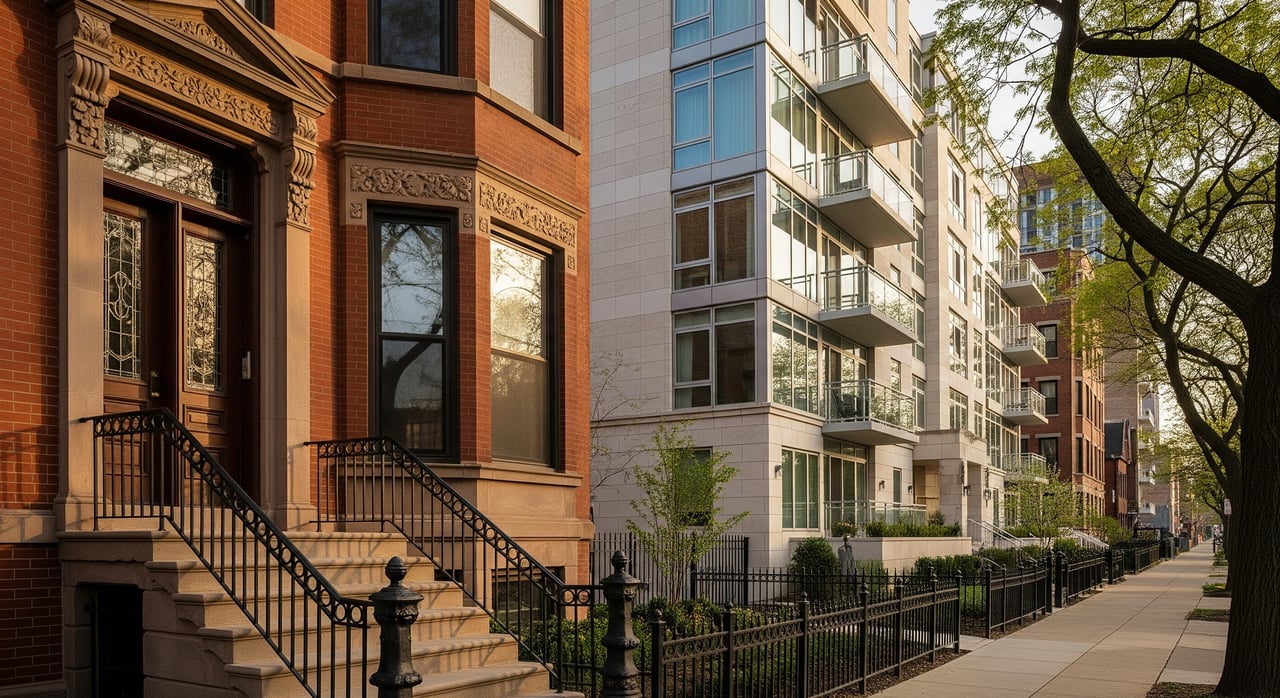
Rowhouses and condos close to the Green Line, Metra, and Lake Street tend to offer lower-maintenance living with smaller private outdoor spaces. You will gain quick access to transit, dining, and services. This setup works well if you prefer walking, biking, or hopping on the train. Expect limited private parking in some buildings.
Further from stations, you will find more single-family homes with larger lots and quieter streets. You may trade a longer walk or a short bike ride to reach retail and transit. For many buyers, extra space and a private yard are worth the added planning. Check your last-mile options such as bus routes, bike paths, or a quick drive to the station.
In multiunit buildings, everyday details matter. Look for features that support your routine, like secure bike storage, package rooms, and in-unit laundry. Clarify building rules for deliveries, pets, and bike access. These operational details shape how easy your day-to-day life feels.
Blocks around commercial corridors and rail lines see more activity at night. That can mean convenient late dinners and a lively sidewalk scene, along with some ambient noise. If you want quieter evenings, consider properties a few blocks off main streets. Visit at different times of day to get a true feel.
Metra’s schedule is strongest for peak commuters, while CTA spreads service more evenly through the day. If you work nontraditional hours, double-check off-peak and weekend options. Buses can extend your reach when train frequency dips. A blended plan is often the most reliable.
Use this quick checklist to align your home search with your routine:
Oak Park offers multiple good choices, and the right fit depends on your schedule, transit preferences, and desired lifestyle. You deserve clear, practical guidance that blends neighborhood knowledge with day-to-day logistics. If you want a concierge-level experience that covers both the transaction and operational details, let’s talk.
Reach out to Kandyse McCoy Cunningham to walk through transit options, compare walkable blocks, and tour homes that match your routine. Get access to private listings and a tailored plan for your move.
Stay up to date on the latest real estate trends.