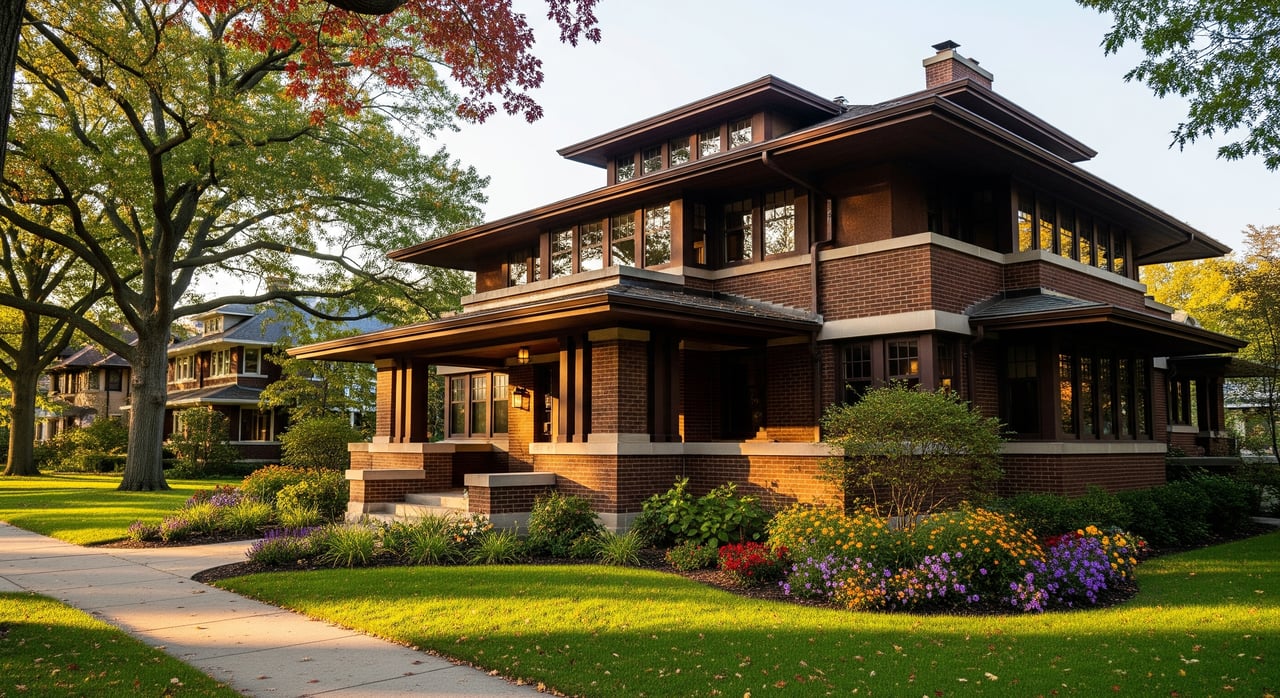
Your Guide to Albany Park Starter Homes for First-Time Buyers
February 19, 2026
February 19, 2026
What if your first home could help pay your mortgage? In Albany Park, that is a real path for many first-time buyers because multi-unit buildings are common and prices still compare well with nearby hot spots. You want a clear view of what your budget buys, the tradeoffs between condos, two-flats, and small single-family homes, and the steps that keep your purchase on track. This guide gives you data-backed price bands, simple financing tips, and neighborhood context so you can move with confidence. Let’s dive in.
Before you tour, it helps to match your target price to likely home types. Pricing shifts month to month, and portals report different metrics. For example, Redfin showed a median sale price around $486,500 in Jan 2026, Zillow’s ZHVI typical value was about $360,262 in Dec 2025, and Realtor.com’s median list price was about $344,800 in Dec 2025. These measures look at different data sets and timeframes, but together they show Albany Park as more affordable than some nearby North Side markets.
Here is a simple budget map based on recent neighborhood patterns and listing pools referenced in the research:
Albany Park tends to be “somewhat competitive.” Days on market were in the mid 50s in late 2025 and Jan 2026, which gives you time to negotiate while well-priced starter homes can still attract multiple offers.
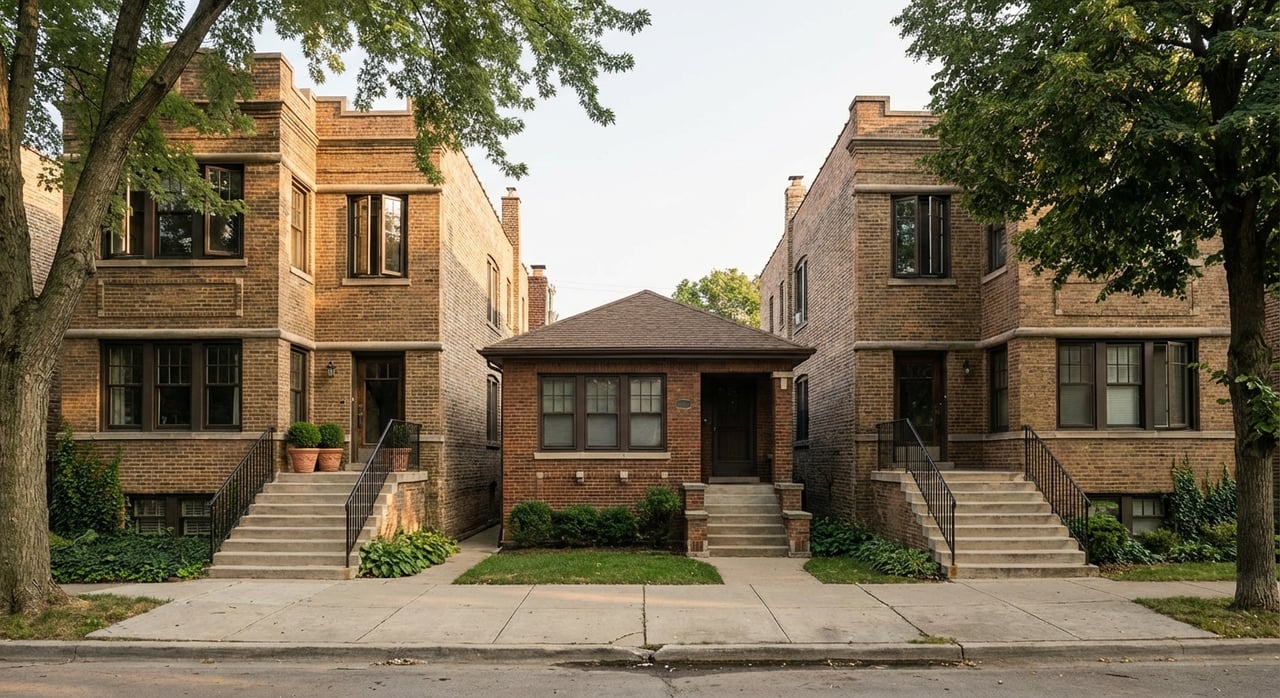
Albany Park has one of the North Side’s most varied housing mixes. According to DePaul University’s Institute for Housing Studies, about 30.5% of homes are in 2–4 unit buildings, 35.4% are in 5+ unit buildings, single-family homes are roughly 20.0%, and condominiums are about 14.1% (IHS 2024). That mix creates real choice for first-time buyers.
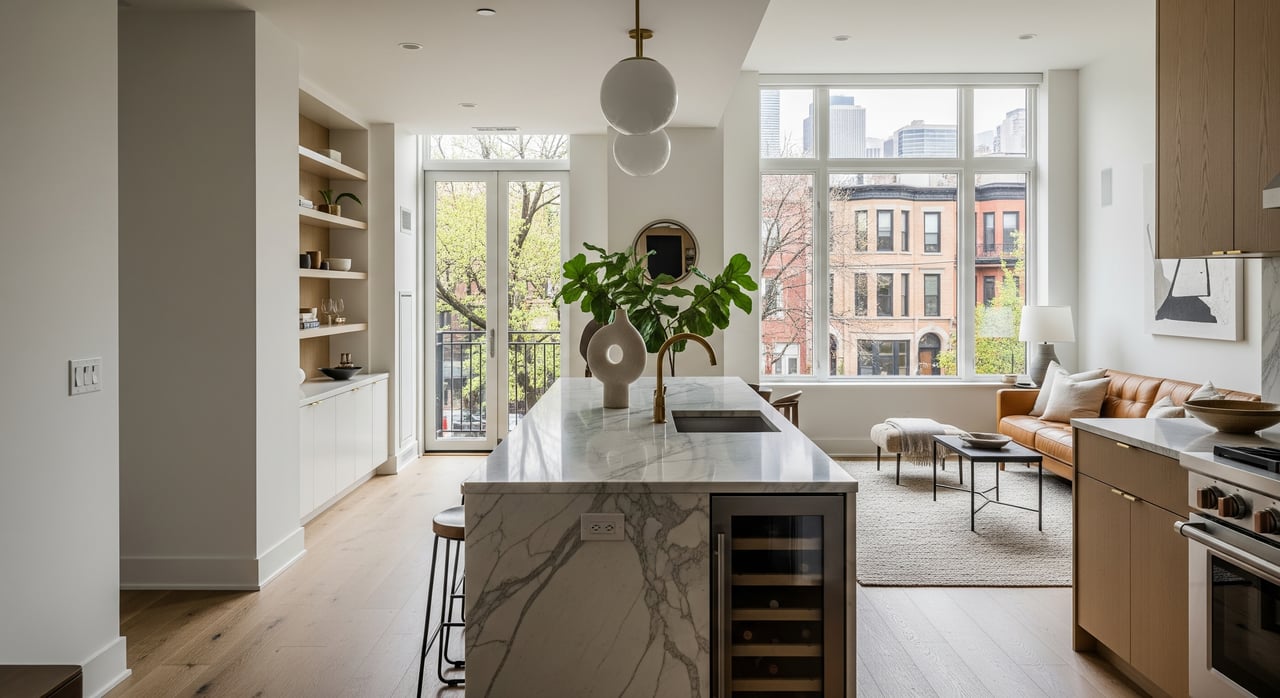
You will find 1–3 bedroom condos in classic brick walk-ups and small mid-rise buildings, plus some newer infill. Many vintage units feature hardwood floors and high ceilings. Recent listing pools in the neighborhood commonly range from roughly the low $150ks up to the low-to-mid $300ks for move-in ready units (observed Dec 2025).
Key tradeoffs to weigh:
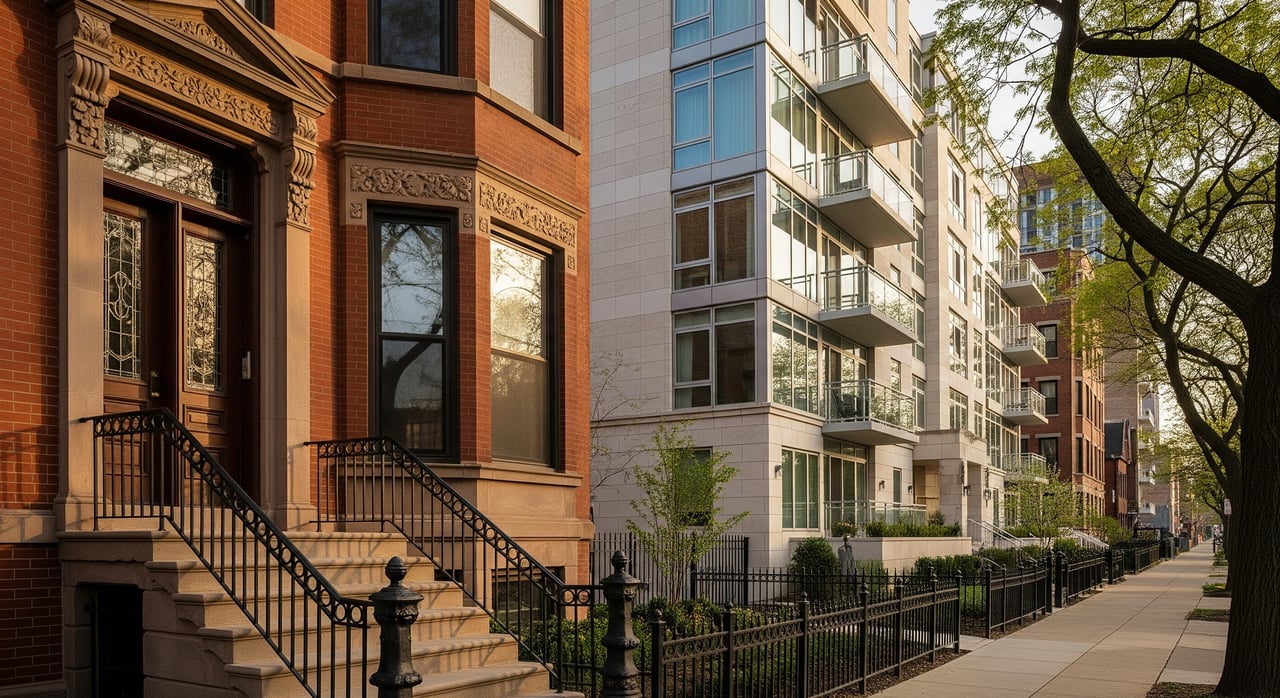
Legal two-flats and three-flats from the early 1900s to 1930s are common. Many buyers live in one unit and rent the other. Recent sales in Albany Park show two-flats trading from about the mid $300ks for fixers or conversions to roughly the $400k–$650k range for updated brick buildings, depending on condition, lot, and mechanicals (late 2025 examples).
Why they work for first-time buyers:
You will also see 2–4 bedroom brick bungalows and narrow-lot houses. Pricing usually sits above condo levels and overlaps with two-flats. In recent months, the smallest well-kept homes often started in the high $300ks and rose into the low $600ks, depending on block, updates, and lot size.
If you plan to occupy one unit in a 2–4 unit property, both FHA and many conventional loans allow this structure. FHA programs cover 1–4 unit owner-occupied purchases and publish annual mortgage limits. When you qualify, lenders commonly count about 75% of projected gross rent from the other unit(s), which is a standard underwriting approach to account for vacancy and expenses. Your lender will advise on documentation such as leases, an appraisal rent schedule, or tax forms.
Smart next steps:
Learn more straight from the sources referenced in this guide: FHA program information and the FHA Handbook language that reflects the 75% rental income approach.
For condos, a little homework goes a long way. Not every project meets Fannie Mae or Freddie Mac’s “warrantable” standards, and FHA has its own project approval list. Non-warrantable buildings can limit loan options or require larger down payments.
What to review early:
Lenders rely on project-level standards and tools like Fannie Mae’s Condo Project Manager to screen buildings. Ask your lender to pre-check the project while you are still comparing listings.
Much of Albany Park’s housing stock dates to the early 20th century, so inspections matter. Common items include roofing and tuckpointing, older plumbing and electrical systems, and boiler or steam heat components. If a property was built before 1978, federal law requires a lead-based paint disclosure and delivery of the EPA and HUD lead safety pamphlet. Protect yourself with a thorough inspection contingency and budget for ongoing maintenance.
Cook County calculates property taxes using assessed value, the state equalization factor, exemptions, and local tax rates. Owner-occupants should check eligibility for the homeowner exemption and review the recent tax history of any property before making an offer. A small difference in assessed value or missing exemptions can shift your monthly payment more than you expect.
When you zoom out, Albany Park often compares favorably with nearby North Side neighborhoods:
This value story, combined with a deep supply of 2–4 unit buildings and condos, makes Albany Park a practical “bridge” neighborhood for first-time buyers.
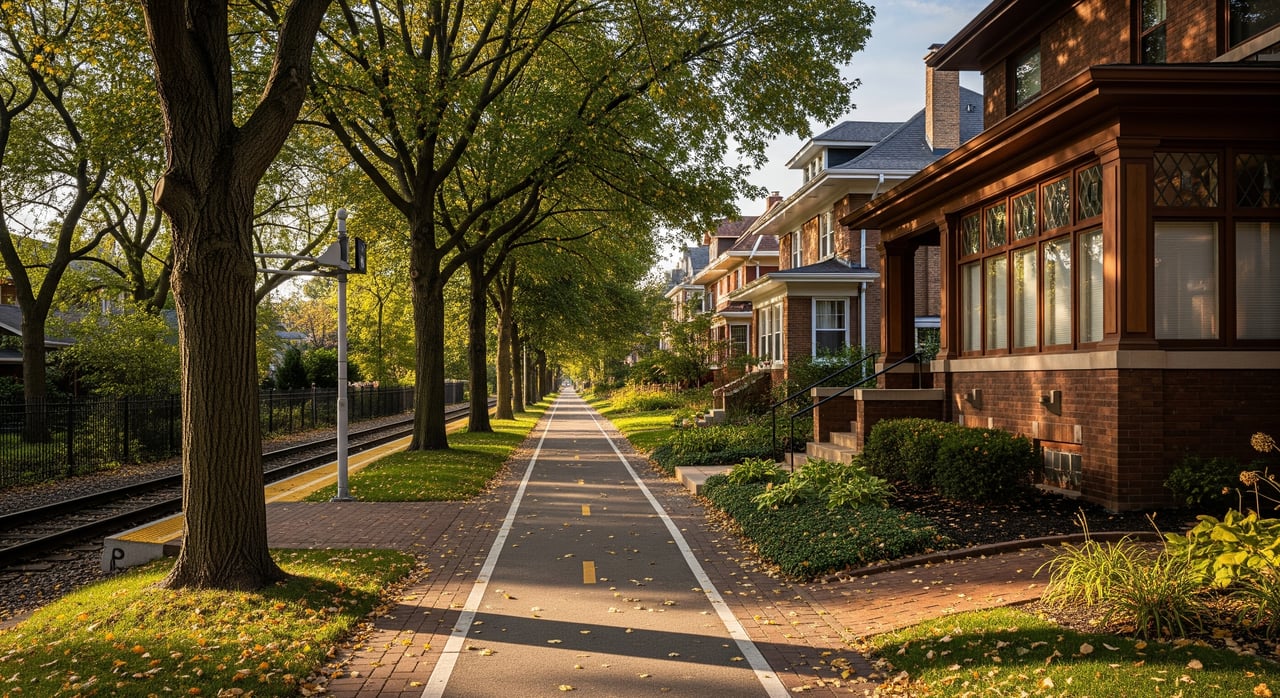
Albany Park is well connected. The CTA Brown Line ends at Kimball, with additional neighborhood stops at Kedzie, Francisco, and Rockwell. Frequent bus routes add flexibility for commuters. The area is known for its diverse local businesses and community parks, which support long-term livability and future resale.
Use this checklist to move from research to keys in hand:
If you want a hands-on advisor who understands both brokerage and operations, you will appreciate working with a team that also manages properties. When your first home is a two-flat, the right guidance helps you set rents, screen applicants, and keep the building in good shape after closing.
Ready to explore starter homes in Albany Park and see private listing opportunities? Reach out to Kandyse McCoy Cunningham for a tailored, data-backed plan and on-the-ground touring support.
[CTA: Get Access To My Private Listings]
Sources referenced in this guide: DePaul Institute for Housing Studies (housing mix, 2024), Redfin, Zillow, and Realtor.com market snapshots cited by month and year, FHA program materials, and Fannie Mae condo project standards. For additional context on transit and local governance, see the CTA and Cook County Assessor resources.
Ready to tour? Connect with Kandyse McCoy Cunningham for a calm, concierge process from first showing to closing and beyond.
Stay up to date on the latest real estate trends.