How to Prepare Your Oak Park Home for a Successful Sale
July 2, 2026
July 2, 2026
If you want your Oak Park home to stand out, good timing alone is not enough. Buyers notice condition, presentation, and price alignment right away, especially in a market where one block or historic district can perform very differently from another. The good news is that a smart prep plan can help you reduce surprises, protect your value, and launch with confidence. Let’s dive in.
Oak Park is active, but it is not one uniform market. Recent data points show that homes can move quickly, with sources reporting anywhere from about 10 to 42 days on market depending on the data set and methodology. Median prices also vary, with reported figures ranging from the mid-$400,000s to just under $500,000.
That does not mean the data is conflicting. It means you should treat villagewide numbers as broad signals, not as the final word on your home’s value. In Oak Park, recent sold comps in your immediate area matter more than a single overall median.
Neighborhood and district differences in Oak Park are meaningful. Reported median listing prices range from about $259,500 in the Ridgeland/Oak Park Historic District to $550,000 in the Frank Lloyd Wright Historic District, and zip code medians also vary. That spread is a clear reminder that buyers compare your home to nearby alternatives, not to the whole village.
For some sellers, that can be an advantage. In the Frank Lloyd Wright Historic District, reported metrics show strong demand for well-presented homes, including a median sold price of $652,000 and a sale-to-list ratio of 101%. The takeaway is simple: your prep and pricing plan should be built around your specific micro-market.
Most sellers begin thinking seriously about selling three to four months before listing. That timeline makes sense in Oak Park, where repairs, exterior work, staging, and local permit questions can all affect your launch date. If you wait until the last minute, small issues can become expensive delays.
Spring is often a strong window for listing. Some 2026 research points to the second half of May as a favorable time in the Chicago area, while other research highlights April as a high-attention period nationally. The safest conclusion for Oak Park sellers is that spring tends to reward homes that are fully ready before they hit the market.
The best time to get professional input is when you start deciding what to fix, how much to spend, and when to go live. In Oak Park, that early guidance matters because pricing can change sharply by district, and certain exterior projects may require village review before work begins. A clear plan upfront helps you avoid spending money in the wrong places.
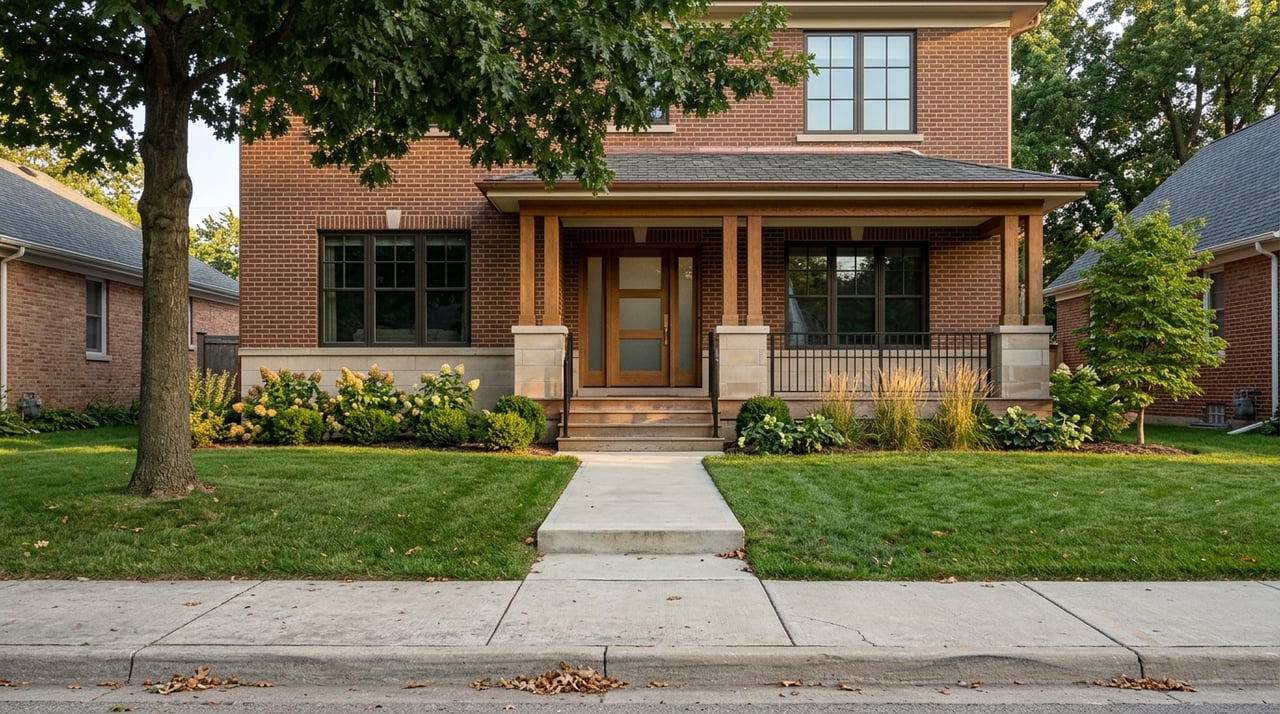
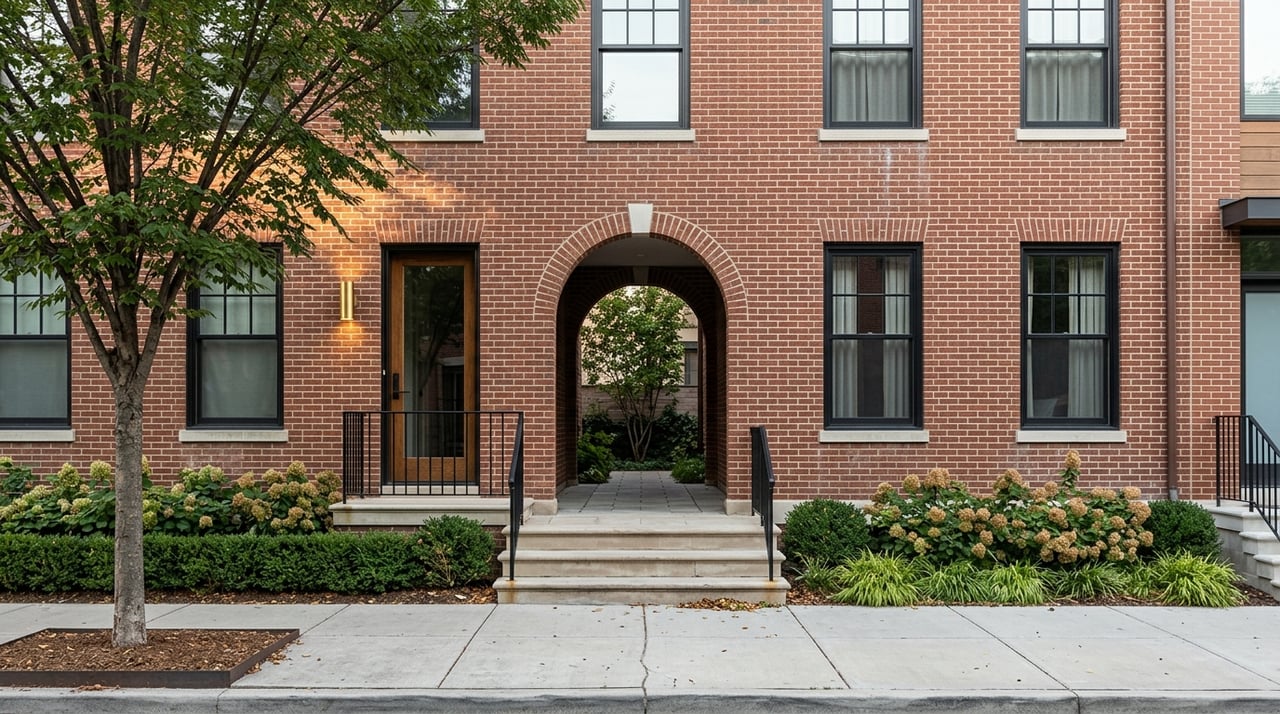
Before you think about decor or photos, focus on visible exterior condition. Oak Park’s Neighborhood Walk program inspects the exteriors of single-family, two-flat, and three-flat homes each year. The village looks for issues like peeling paint, crumbling chimneys, sagging eaves, missing downspouts, rotted wood, missing handrails, broken windows, and work completed without permits.
Those same items can shape a buyer’s first impression. If your home shows signs of deferred maintenance from the sidewalk, buyers may assume there are bigger problems inside. Tackling these visible issues first can improve curb appeal and reduce concerns before they grow into objections.
Oak Park requires permits for many common improvement projects. Examples include decks, garages, porches, porch roofs, fences, sheds, new windows, gutters and downspouts, re-roofing, sidewalks, driveways, and rebuilding stairs or guardrails. Landscaping that involves concrete work can also require permits.
This matters because last-minute repairs are common before listing. If you plan to replace windows, rebuild porch components, or update exterior features, make sure you understand the permit requirements first. That can help you avoid delays and keep your sale timeline intact.
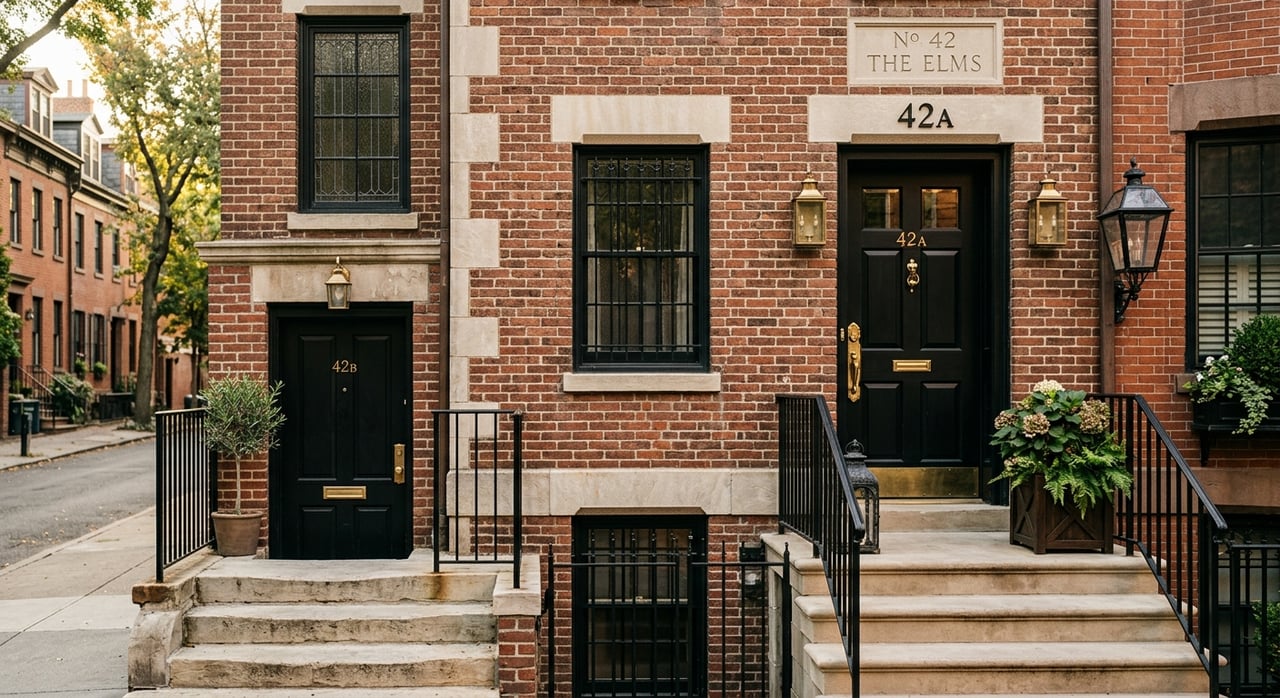
About a third of Oak Park falls within one of three historic districts: the Ridgeland/Oak Park Historic District, the Frank Lloyd Wright-Prairie School of Architecture Historic District, and the Gunderson Historic District. If your home is in one of these areas, exterior alterations, additions, and demolition are reviewed. Ordinary maintenance such as exterior painting is not reviewed by the Historic Preservation Commission.
If you are considering visible exterior changes, check whether you need a Certificate of Advisory Review. For landmarks and certain demolition projects, a Certificate of Appropriateness may be required. It is better to confirm that before work starts than to risk spending money on changes that create complications later.
Even simple outdoor improvements can come with extra steps in Oak Park. If your prep includes landscaping, the village requires landscape contractors to register before permits are issued. If digging is involved, Illinois requires utility location through JULIE/811 before excavation.
You should also think ahead about moving day and pre-listing cleanup. If bins, portable storage, or a mover’s truck will take up street space in regulated areas, a Right of Way obstruction permit may be needed. These details are easy to overlook, but they can affect your schedule.
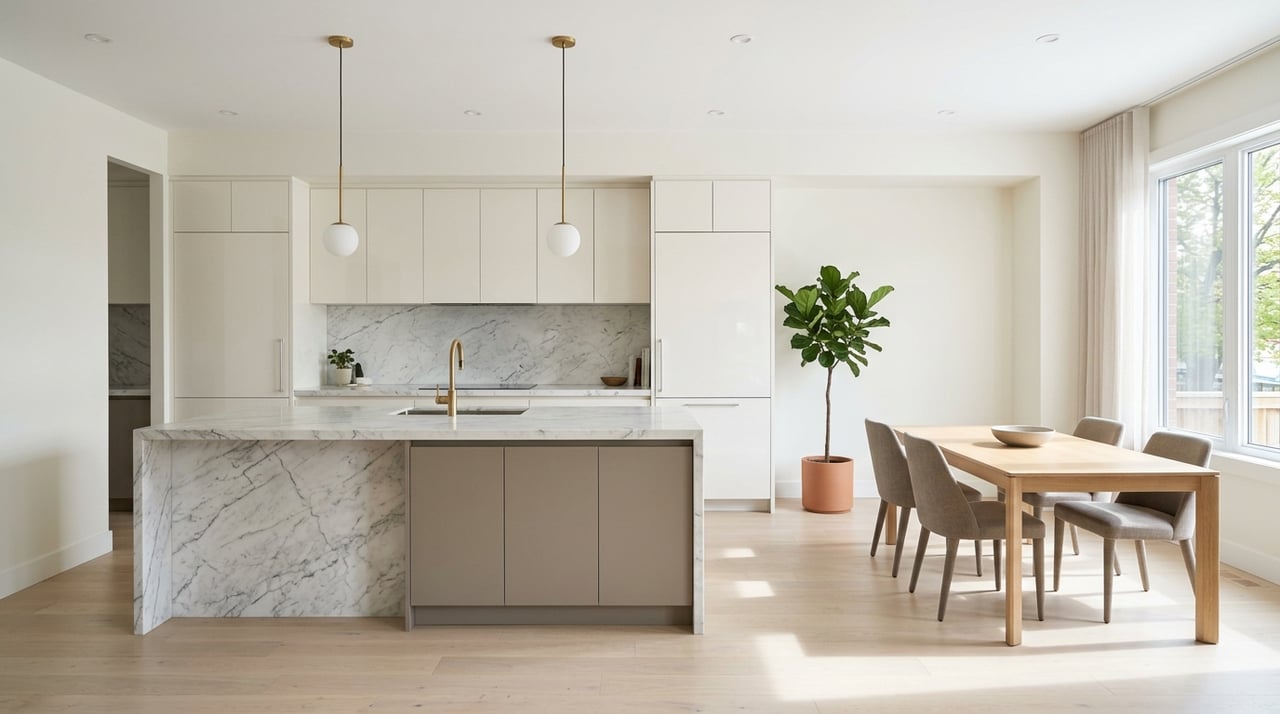
Once the home is in solid condition, presentation becomes the next big lever. Staging helps buyers picture how a home could function and feel. According to 2025 industry research, 83% of buyers’ agents said staging makes it easier for buyers to visualize a property as their future home.
You do not always need a full redesign. In many cases, a lighter, cleaner, more open presentation makes the biggest difference. The goal is to help buyers notice the space, light, and layout instead of your belongings.
Industry data shows the most commonly staged rooms are:
If your budget is limited, start there. These are the spaces buyers tend to remember most when they compare listings.
These updates help your home feel cared for and move-in ready. They also make your photos stronger.
Most buyers start their search online, so your first showing often happens on a screen. Research shows 68% of prospective buyers viewed homes on a real estate website, and 81% of buyers rated listing photos as the most useful feature in their online search. That means photography is not a finishing touch. It is part of the selling strategy.
Your home should be fully decluttered, cleaned, and staged before the listing is published. If you wait to improve presentation until after the home goes live, you may miss the strongest early wave of buyer interest.
If virtual staging or heavy image editing is used, any material alteration should be disclosed. Buyers respond best when the listing creates excitement without creating confusion. Clear, polished, honest visuals help build trust from the start.
Oak Park sellers can get in trouble when they rely too heavily on broad averages. Villagewide numbers are useful for context, but they do not reflect every block, housing style, or district. A well-prepared brick bungalow, condo, vintage two-flat, or historic home may each compete in a different lane.
A stronger pricing approach looks closely at recent sold homes that match your location, style, condition, and features. That is especially important in Oak Park because district-level pricing and demand can vary so much. The right price should support interest early, not force repeated adjustments later.
If you are selling a multifamily building with four or more dwelling units in Oak Park, there is an added planning step. The village requires a presale inspection report dated no more than 120 days before closing, and the request must be made at least two weeks before closing.
For owners of larger buildings, that deadline should be part of the listing timeline from the start. It is one more reason to plan early and keep your sale process organized.
A calm, phased approach usually works best. Instead of trying to do everything at once, focus on value, compliance, and presentation in the right order.
When each phase supports the next, your home comes to market looking intentional instead of rushed.
If you are preparing to sell in Oak Park, the right strategy can make the process smoother from pricing to presentation. For tailored guidance and a polished, hands-on approach, connect with Kandyse McCoy Cunningham.
Stay up to date on the latest real estate trends.