Albany Park Small Multifamily Investing Guide
June 18, 2026
June 18, 2026
Wondering whether an Albany Park 2-flat, 3-flat, or 4-unit building is still a smart buy in today’s Chicago market? You are not alone. Small multifamily investing can look simple on paper, but Albany Park rewards buyers who understand the neighborhood’s housing stock, rent profile, and operating realities before they make an offer. This guide walks you through what makes Albany Park appealing, where the risks show up, and how to evaluate a deal with more confidence. Let’s dive in.
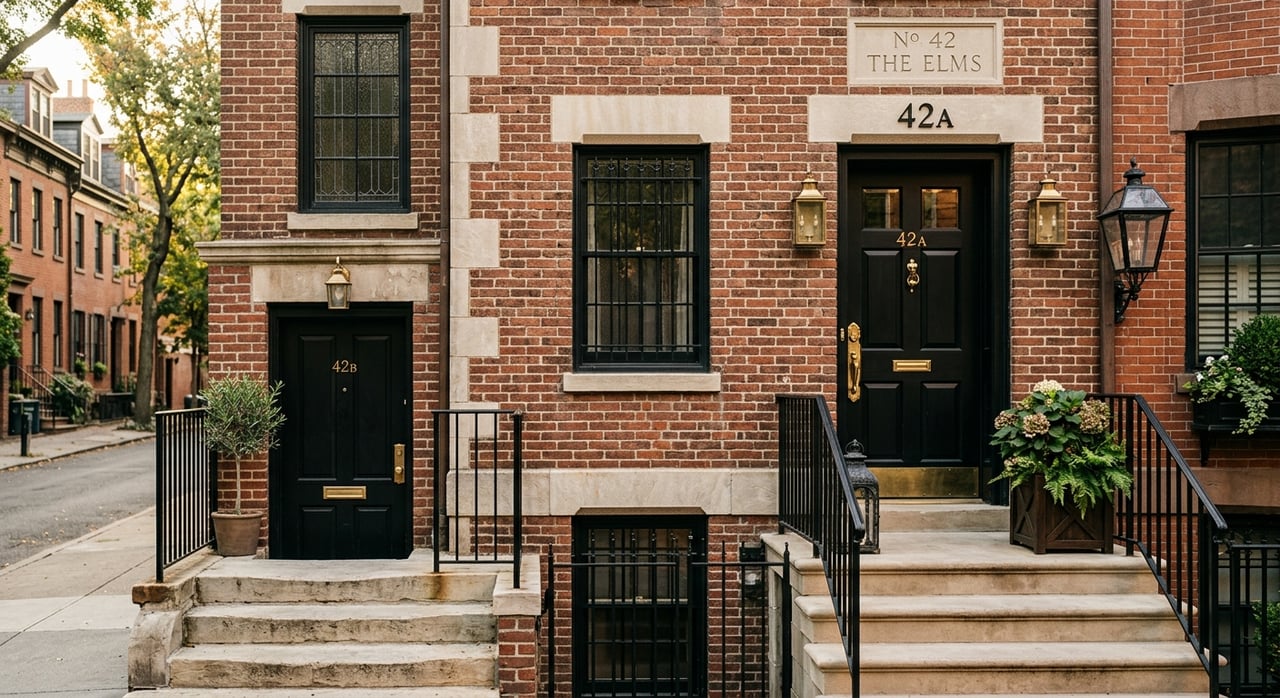
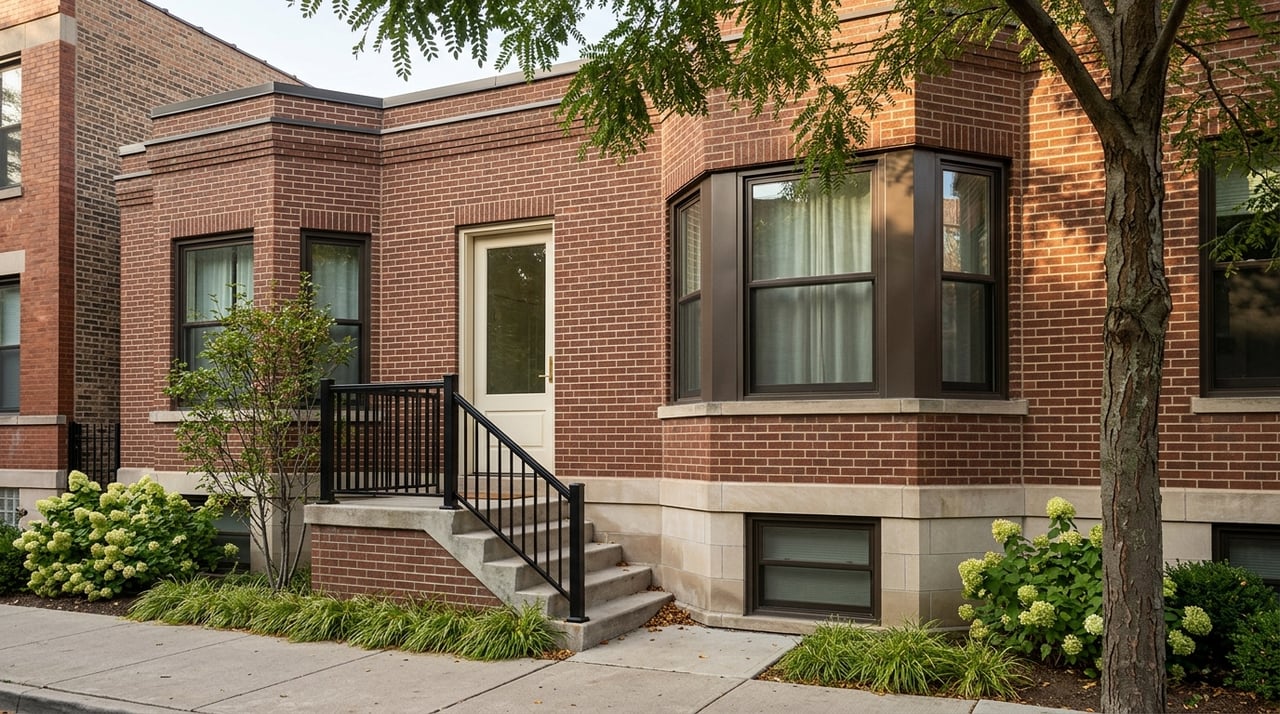
Albany Park is one of Chicago’s more natural fits for small multifamily investing. According to CMAP, 30.5% of housing units are in 2-4 unit buildings, with 18.5% in 2-unit buildings and 20.2% in 3- or 4-unit buildings. That means classic Chicago 2-flats and 3-flats are a core part of the neighborhood, not a rare product type.
The neighborhood also has a built-in apartment base that supports long-term rental demand. CMAP reports that 57.9% of housing is renter-occupied and 42.1% is owner-occupied. For investors, that mix matters because it suggests a stable rental market without making the area feel dependent on only one type of housing demand.
Albany Park’s housing stock is also older than Chicago overall. CMAP shows that 62.9% of housing was built before 1940, and the median year built is 1930. That age creates opportunity for value-add improvements, but it also means you need to be realistic about repairs, systems, and compliance.
If you are shopping for a small multifamily property, Albany Park gives you a meaningful inventory profile to work with. The neighborhood includes a strong share of 2-bedroom and 3-bedroom units, with CMAP reporting 40.6% of units have 2 bedrooms and 27.0% have 3 bedrooms. Another 7.7% have 4 bedrooms.
That unit mix matters because larger layouts can serve a wider range of renter needs. It can also give you flexibility when comparing a building with standard apartment layouts versus one with more roommate-friendly or family-sized units. In practical terms, Albany Park is not just a one-bedroom investor market.
At the city level, DePaul’s Institute for Housing Studies describes 2-4 unit buildings as a critical part of Chicago’s housing stock and notes that these properties are often more likely to offer lower-cost rents and family-sized units. IHS also reports that Chicago has lost more than 4,800 2-4 unit buildings since 2013. For buyers, that long-term loss adds an important scarcity angle to this asset class.
Albany Park is not just a place where owners hold forever. It is an active small multifamily market. IHS data for 2024 show 68 sales of 2-4 unit buildings in Albany Park, along with 97 mortgages tied to that property type.
That level of activity gives you a useful signal. It suggests buyers, lenders, and sellers are still transacting regularly in this segment, which supports price discovery and keeps the market moving. IHS also reports a 19.1% business-buyer share for 2-4 unit sales, showing that both individual and more formal investor buyers are competing here.
A broker-reported 2025 MLS summary cited 31 Albany Park 2-4 unit sales at an average price of $672,800, a median price of $660,000, and about $238,000 per unit. That figure should be treated as directional, but it can still help you frame current pricing expectations as you review listings and underwriting.
Albany Park gives investors a renter base with mid-market pricing. CMAP reports a median gross rent of $1,341 in the neighborhood, compared with $1,380 citywide. That tells you Albany Park is not priced like a premium new-construction submarket, which can support steadier demand but may also limit how aggressive your rent projections should be.
The rent distribution helps paint a clearer picture. CMAP reports that the largest renter bands are $900 to $1,249 at 27.5%, $1,250 to $1,499 at 17.9%, and $1,500 to $1,999 at 28.8%. Only 2.4% of renter households are at $2,500 or more.
That matters when you are analyzing a renovation plan. If your pro forma depends on pushing rents far above the neighborhood’s core bands, you need strong support from unit condition, layout, finishes, and comparable asking rents. Otherwise, your deal may look better on a spreadsheet than it will perform in real life.
For additional context, listing-platform snapshots show higher current asking rents than the survey-based median. PadMapper shows roughly $1,600 for a 1-bedroom, while Zumper shows about $1,695 for a 1-bedroom and $1,895 for a 2-bedroom. Those numbers are not directly interchangeable with CMAP’s median gross rent, but they do show why renovated units can sometimes achieve stronger pricing than older in-place leases.
Albany Park also benefits from institutional demand nearby. North Park University says its Chicago campus is located in Albany Park and North Park and enrolls about 2,700 students. That does not make the neighborhood purely student-driven, but it does add another source of demand for smaller apartments, shared layouts, and regular lease turnover.
As an investor, this is useful context rather than a guarantee. You should still evaluate each property based on its block, layout, condition, and actual rent roll. But nearby enrollment can help explain why certain unit types or leasing strategies may perform well.
The biggest mistake small multifamily buyers make is underwriting from neighborhood averages alone. In Albany Park, you want to start with the actual rent roll and actual building expenses. Then you can compare that real data against neighborhood benchmarks.
Your underwriting should include:
This is especially important in Albany Park because of the age of the housing stock. Older buildings can offer upside, but they also come with a higher chance of deferred maintenance, hidden system issues, and post-closing repair surprises.
In Cook County, property taxes deserve careful stress testing. The Cook County Assessor states that Class 2 residential property, which includes multifamily buildings with no more than six dwelling units, is assessed at 10% of estimated property value. The county also notes that Chicago was reassessed in 2024 and that reassessments happen every three years.
For you, the takeaway is simple. Do not copy the seller’s current tax bill into your pro forma and assume it will hold. A reassessment, different purchase price, or change in exemptions can materially change your numbers.
If you plan to owner-occupy, there may be ways to improve the economics. Cook County says apartment buildings of six units or less may qualify for the Homeowner Exemption when the owner occupies the property as a principal residence. The City of Chicago also says its Utility Billing Relief program can cut water, sewer, and water-sewer tax rates by 50% for eligible owner-occupied single-family, 2-unit, or 3-unit properties.
In Albany Park, the typical value-add story is not ground-up redevelopment. It is modernization inside existing vintage buildings. Given the neighborhood’s 1930 median year built and its concentration of larger apartment layouts, many buyers focus on practical upgrades that improve rentability and reduce future maintenance.
Depending on the property, that can include:
The right plan depends on the building you buy. A clean, well-run property may call for light improvements and better operations, while a more dated building may need a phased capital plan before it can support higher rents.
Albany Park’s older housing stock also means you should plan for compliance from the start. Because many buildings were built before 1978, lead-based paint disclosure rules are likely to matter. The EPA says sellers, landlords, real estate agents, and property managers of most pre-1978 housing must disclose known lead-based paint hazards, provide the required pamphlet, and include a lead warning statement before a sale or lease.
If your business plan includes unit turns or rehab work, lead-safe work practices should be part of your renovation budget and timeline. This is one more reason investors benefit from a detail-focused acquisition process, especially in older Chicago neighborhoods.
Even a small building can be management-intensive in Chicago. Illinois Legal Aid explains that the Chicago Residential Landlord and Tenant Ordinance applies to many Chicago rental properties, although most provisions do not apply to owner-occupied rentals with six or fewer units. Even so, some city rules still matter, so you should not assume that owner-occupying a small building removes every compliance responsibility.
Illinois Legal Aid also notes that Chicago landlords generally must pay interest on security deposits unless the building is owner-occupied and has six or fewer units. These kinds of details affect how smoothly your property operates after closing. They are also a big reason many investors want guidance that covers both acquisition and ongoing operations.
Albany Park can work well for investors who want a small multifamily asset with real neighborhood depth. The housing stock is established, the 2-4 unit inventory is meaningful, the renter base is broad, and the pricing is still tied more to practical housing demand than luxury positioning.
At the same time, this is not a market for loose assumptions. Vintage buildings, tax volatility, and Chicago compliance rules can all affect your returns. The buyers who tend to do best here are the ones who stay disciplined on underwriting, respect the age of the property, and build an operations plan before they close.
If you are considering an Albany Park 2-flat, 3-flat, or 4-unit property, working with a team that understands both acquisitions and day-to-day ownership can help you make a more informed decision. For tailored guidance on buying, selling, or managing small multifamily property in Chicago, connect with Kandyse McCoy Cunningham.
Stay up to date on the latest real estate trends.