Living the West Loop Lifestyle in Chicago
July 23, 2026
July 23, 2026
If you want a Chicago neighborhood that makes daily life feel easy, energized, and connected, the West Loop probably already has your attention. You may be wondering what it actually feels like to live there beyond the headlines about restaurants and new buildings. This guide walks you through a realistic day in the life, from morning coffee and commuting to evenings out and the kinds of homes that support the lifestyle. Let’s dive in.
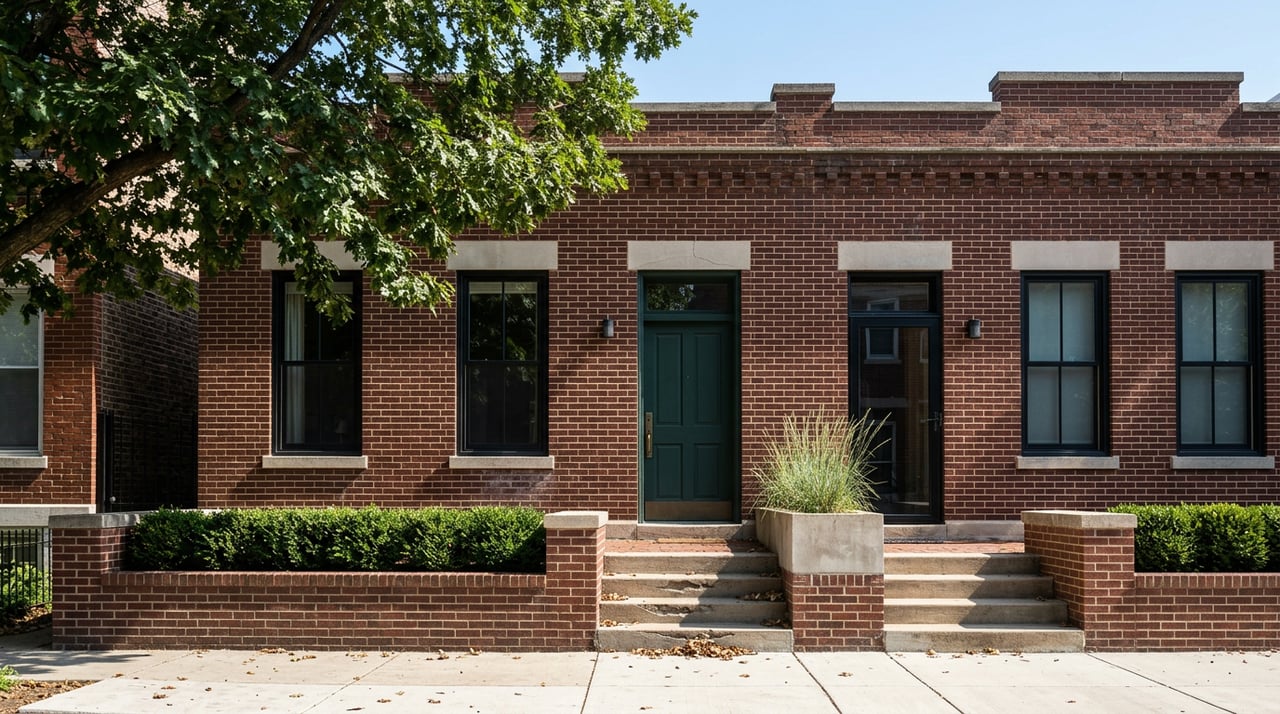
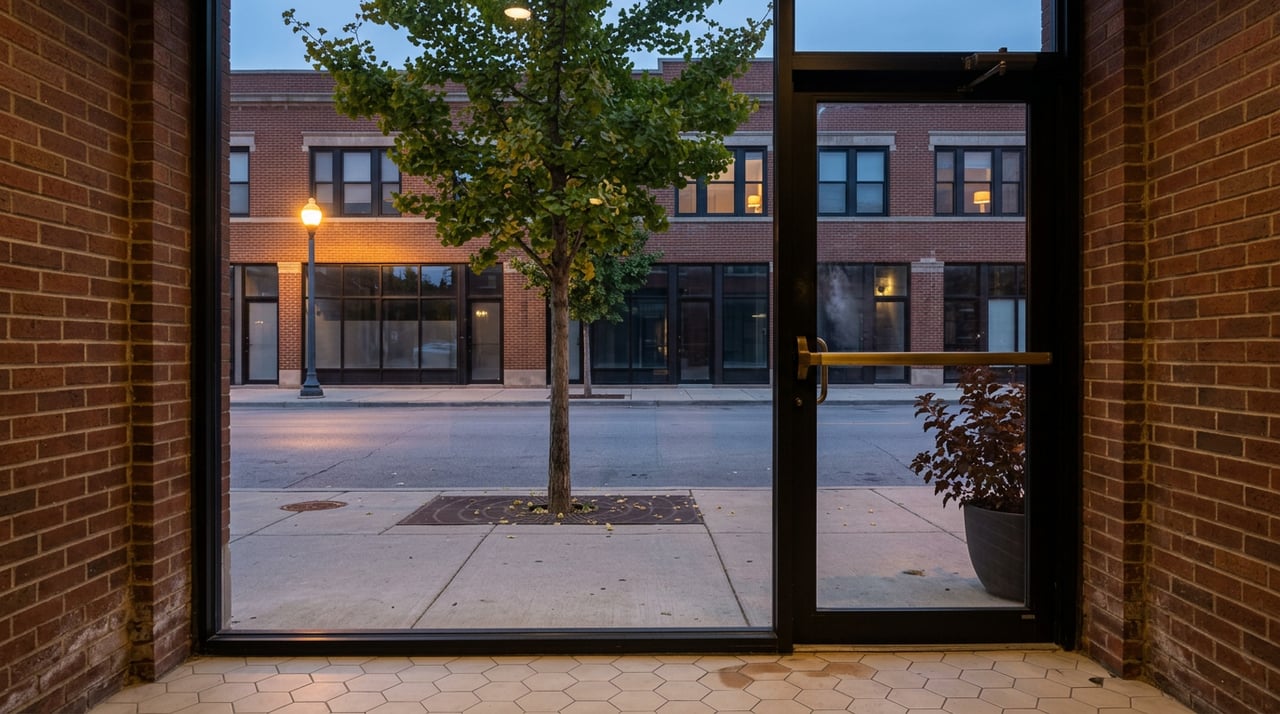
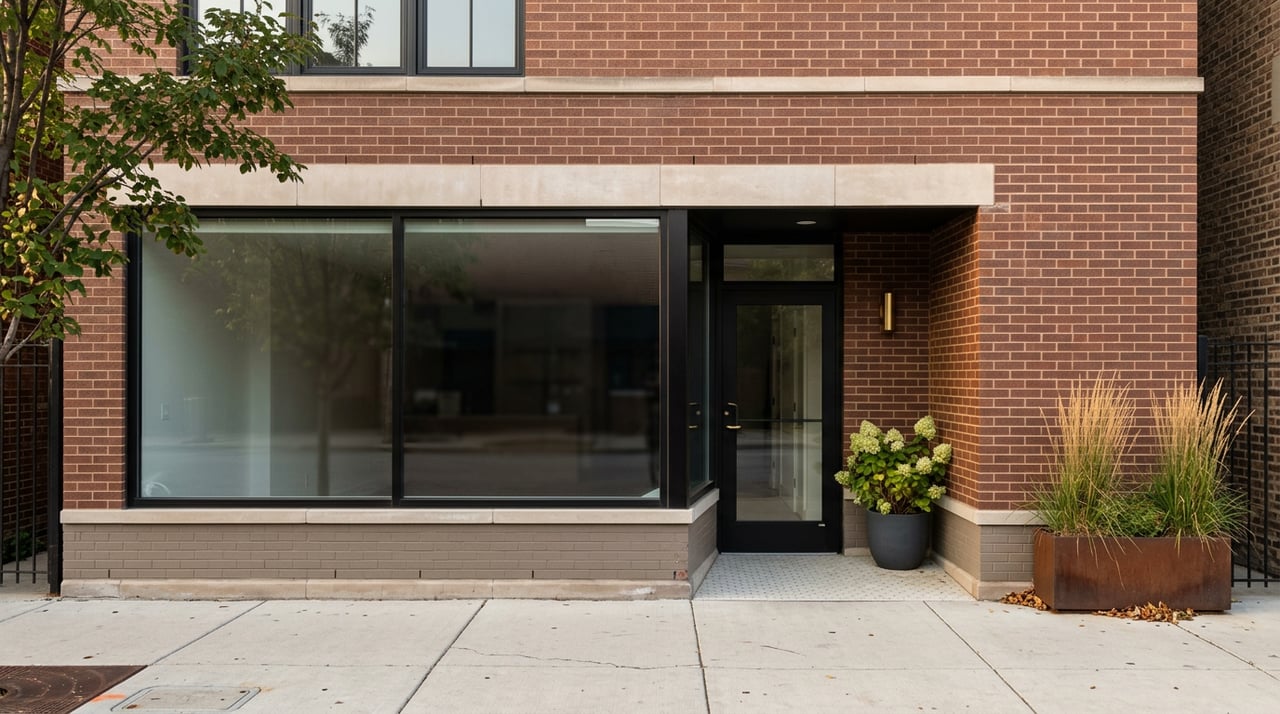
The West Loop is best known for its mix of historic industrial character and modern city living. Former warehouse buildings and food-industry blocks now sit next to newer high-rises, offices, restaurants, and reused commercial spaces, which gives the area a look and feel that is both polished and textured.
That layered identity is a big part of the appeal. You are not just living near downtown. You are living in a neighborhood with a visible past, active streets, and a strong day-to-night rhythm.
The area is commonly defined by Grand Avenue to the north, I-290 to the south, Ashland and Ogden to the west, and the Chicago River to the east. Within those boundaries, you get a lifestyle that blends convenience, dining, work access, and a distinctly urban pace.
A typical West Loop morning can start with coffee, a quick walk, or a workout before the workday begins. The neighborhood supports that routine well because so much is close together, and many residents can build a full morning without needing to drive.
Coffee is part of the neighborhood culture. Local options highlighted in current West Loop coverage include VietFive, Beatrix in Fulton Market, and Bar Tutto, each offering a slightly different way to start your day, whether you want a quick espresso, breakfast, or a café that carries you into lunch.
If fresh air is part of your routine, Mary Bartelme Park gives you an easy neighborhood reset. The park includes a fountain plaza, open lawn, dog park, and viewing hill, making it a practical stop for dog owners, remote workers taking a break, or anyone who wants a quieter start before the city speeds up.
Skinner Park adds more green space along with ball fields and a playground. Together, these parks give the West Loop a more balanced feel than people sometimes expect from a dense downtown-adjacent neighborhood.
One of the clearest lifestyle advantages in the West Loop is how easy it is to get around. If you value a walkable routine or want the flexibility of living with one car or no car, the numbers support that choice.
In the Near West Side community area, 33.7% of households have no vehicle available. Commute patterns also show 26.9% work from home, 14.0% use transit, and 25.3% walk or bike. That makes car-light living feel realistic, not aspirational.
The CTA Morgan station on the Green and Pink Lines is a key part of that setup. Ogilvie Transportation Center and Union Station are also nearby, which helps connect the neighborhood to the Loop and the broader region.
Loop Link strengthens those connections even more, tying West Loop transportation hubs to Michigan Avenue while also supporting protected bike lanes on Washington, Clinton, and Randolph. If biking is part of your routine, Divvy is available 24/7, and Chicago and Evanston together offer more than 400 miles of bike lanes.
The local data point to a neighborhood that attracts many young professionals, singles, couples, and people in earlier stages of homeownership. That does not mean only one type of resident lives here, but it does help explain the area’s daily rhythm and housing choices.
In the Near West Side, 52.5% of households are one-person households, and 31.7% are two-person households. Non-family households account for 67.4% of the total, the median age is 32.7, and renter-occupied homes make up 65.3% of occupied units.
The area also has a highly educated adult population, with 36.2% of adults age 25 and older holding a bachelor’s degree and 35.6% holding a graduate or professional degree. In practical terms, that often shows up as a neighborhood built around convenience, flexibility, and easy access to work, dining, and city amenities.
West Loop works well for a range of midday routines. If you work from home, you can step out for coffee, lunch, or a quick walk without losing much time. If you commute, the neighborhood’s access to transit and nearby rail hubs makes the return trip relatively straightforward.
This is part of why the area appeals to people who want efficiency without giving up lifestyle. You can handle a busy workday, meet someone for lunch, pick up dinner, and still make time for a walk or a park stop all within a compact part of the city.
That convenience also helps explain why the neighborhood has become such a strong fit for professionals and buyers looking for low-maintenance urban living. It supports both the office commute and the home-based workday in a way that feels practical.
When people talk about West Loop, the evening scene is usually what comes up first. Choose Chicago describes the neighborhood as a foodie mecca, and Randolph Street’s Restaurant Row remains one of its defining draws.
Fulton Market adds another major layer to that identity. Former warehouse spaces now house restaurants, bars, and gathering spots, creating a setting that feels active and social without losing the neighborhood’s industrial roots.
That history still shapes the experience today. Many dining and nightlife spaces occupy reused industrial buildings, which helps the area feel distinctive rather than generic.
You also have options beyond dinner reservations. Coverage of the neighborhood points to venues such as Epiphany Center for the Arts, City Winery, and rooftop patios, which makes evenings feel broader than a simple bar scene.
A big reason the West Loop feels lived-in, not just busy, is its event calendar. Annual and recurring neighborhood events give residents more ways to connect with the area outside of work and dining.
Taste of Randolph is a well-known annual street festival centered on music, food, and neighborhood vendors, and it raises money for the West Loop Community Organization. WLCO also hosts outdoor markets, rooftop happy hours, and other events throughout the year.
That means living here can feel social in a flexible way. You can keep your routine quiet and local, or you can lean into street festivals, events, and after-work energy when you want more going on.
The housing mix in the West Loop helps explain why the neighborhood attracts such a wide range of buyers and renters looking for city convenience. In the Near West Side, 48.5% of housing units were built in 2000 or later, while 20.5% were built before 1940. The median year built is 2000.
That blend creates a housing story with both newer construction and older character. It is one of the reasons you will often see buyers choosing between loft-style homes with industrial details and newer condos with more streamlined finishes and amenities.
The structure mix also matters. About 66.0% of units are in buildings with 20 or more units, while single-family attached homes account for 6.4% and 2-unit buildings make up 5.4%.
Bedroom counts skew smaller as well, with 46.1% of units offering 0 or 1 bedroom and 35.0% offering 2 bedrooms. That supports the neighborhood’s strong fit for one-person households, couples, and buyers who prioritize location and convenience over extra square footage.
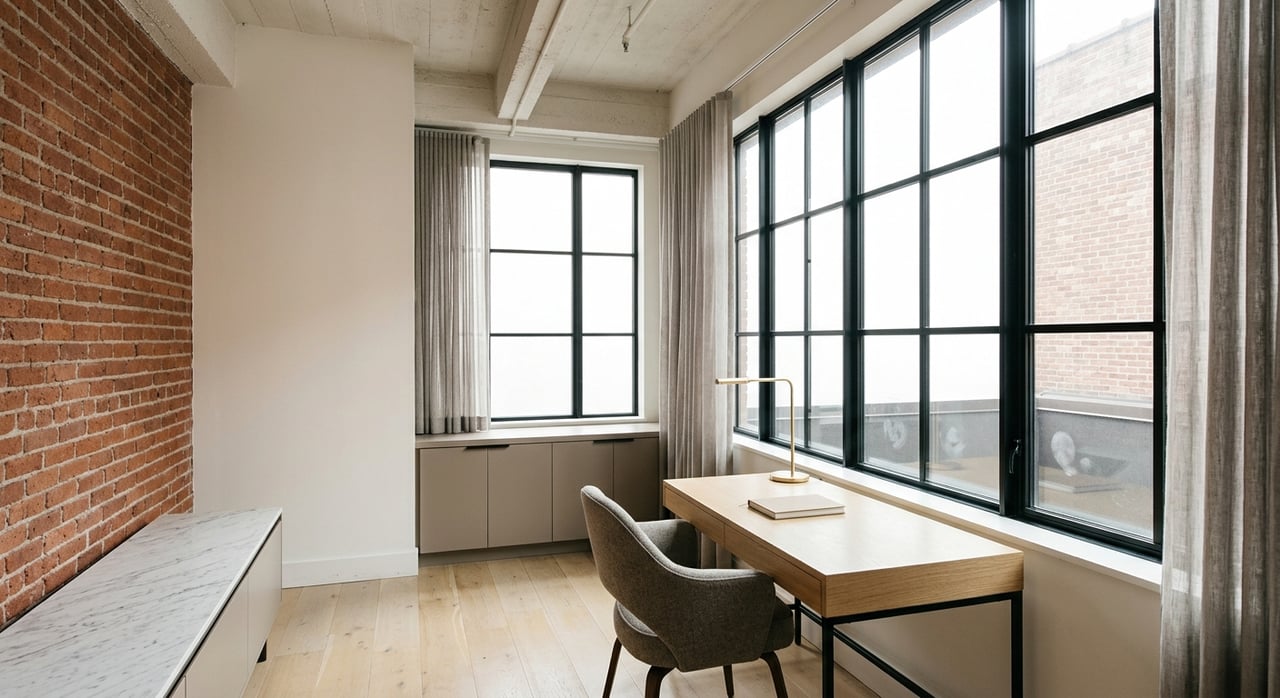
If you love exposed brick, historic bones, and a connection to the West Loop’s warehouse past, lofts often stand out. They reflect the neighborhood’s adaptive-reuse story and can offer the kind of architectural personality that feels hard to replicate in newer buildings.
For some buyers, that character is the entire point of living here. You get a home that feels tied to the neighborhood’s history while still being close to today’s dining, office, and transit options.
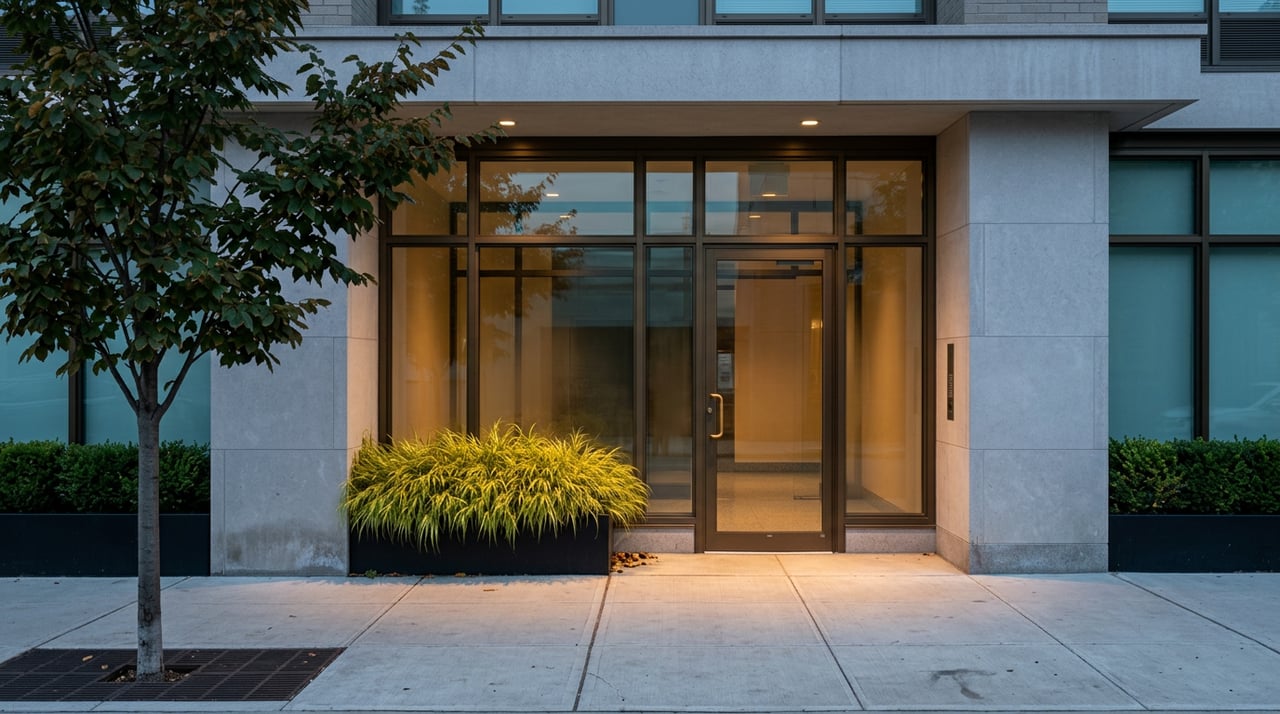
Newer condos often fit buyers who want a simpler day-to-day setup. If your routine includes commuting, working from home, traveling often, or wanting a lower-maintenance home base, condos tend to align well with the way many residents use the neighborhood.
That is especially true in an area where large multifamily buildings make up such a large share of the housing stock. For many buyers, West Loop condo living is really about efficiency, access, and ease.
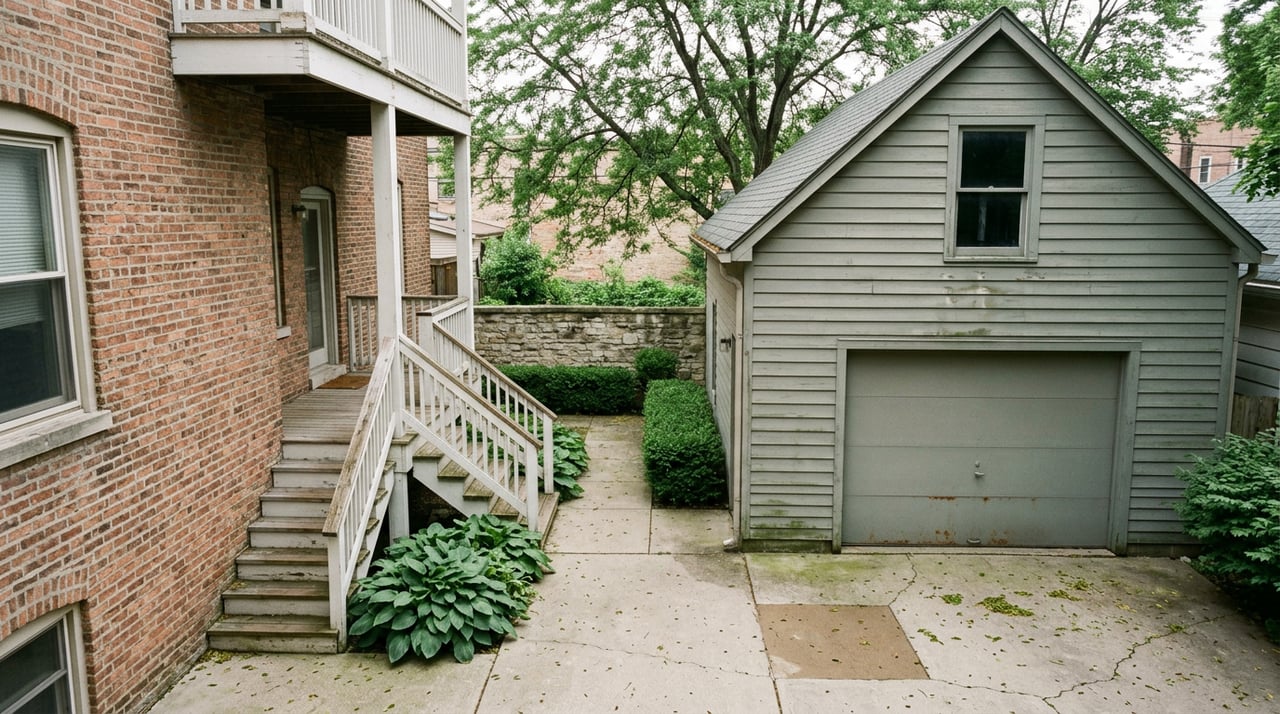
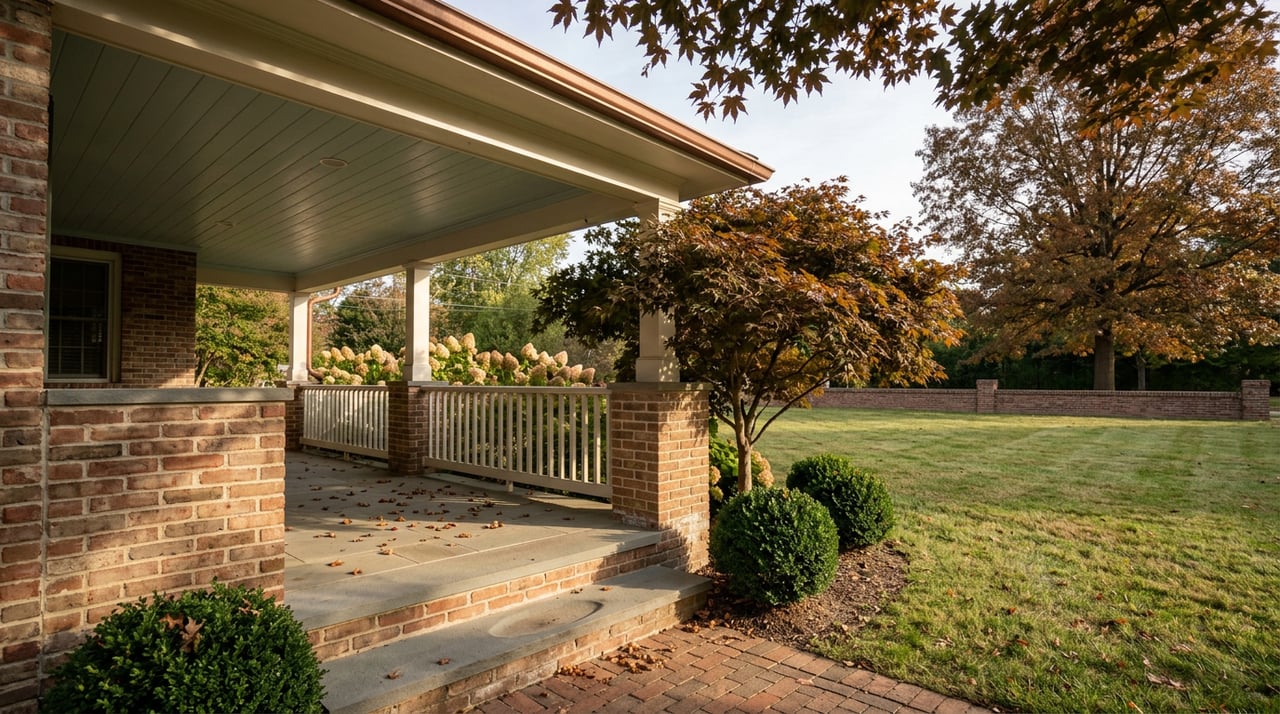
Townhomes and attached homes are a smaller part of the housing mix, but they can appeal to buyers who want more privacy, more vertical separation, or a slightly more residential feel. They are not the dominant housing type here, but they do offer an alternative to tower and loft living.
If you want West Loop access with a different layout and a bit more separation from shared-building life, this category is worth watching.
West Loop tends to make sense if you want to stay close to downtown, enjoy a strong restaurant scene, and live in a neighborhood where walking, biking, and transit are realistic parts of daily life. It is especially appealing if you value convenience and want a home that supports an active schedule.
It may also be a strong match if you like having options. Your day can be quiet and efficient, or social and event-filled, without leaving the neighborhood.
If you are weighing a move here, the key is finding the right home for the way you actually live. A character-rich loft, a newer condo, or a more private townhome can each create a very different version of West Loop living.
If you want a polished, local perspective on buying or selling in the West Loop, connect with Kandyse McCoy Cunningham for tailored guidance and access to opportunities that fit your goals.
Stay up to date on the latest real estate trends.