Buying A Bronzeville Condo? How To Review The Association
July 16, 2026
July 16, 2026
If you are buying a Bronzeville condo, the association can affect your monthly costs, your financing, and your long-term ownership experience just as much as the unit itself. That matters even more in a neighborhood with a mix of historic buildings, conversions, and newer infill development, where shared systems and capital planning can vary from building to building. A careful review can help you spot stability, understand risk, and avoid surprises before closing. Let’s break down what to review and what to ask.
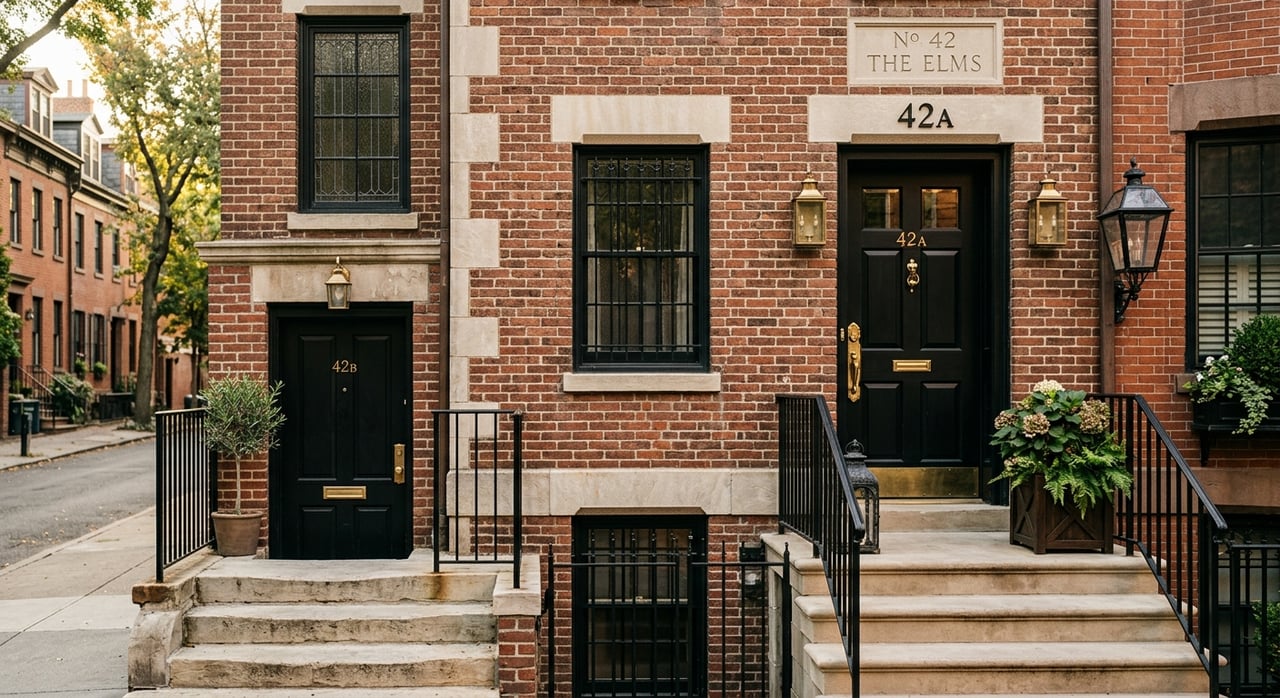
Bronzeville’s housing stock includes older architecture alongside active restoration and redevelopment. In practical terms, that can mean you are looking at anything from a smaller vintage condo building to a newer project with shared mechanicals, roofs, exterior walls, or parking areas that require ongoing planning and funding.
Because of that mix, you should evaluate the association with the same care you give the unit layout, finishes, and price. A beautiful condo may still come with a weak budget, thin reserves, or upcoming capital work that changes the real cost of ownership.
In Illinois condominium resales, the seller must obtain the association disclosure packet and make it available to you as the prospective purchaser. The association is required to provide the information within 10 business days of a written request, and it may charge a reasonable disclosure fee.
That packet should include key information about how the association operates and whether any known financial or legal issues could affect your purchase. Getting it early gives you more time to review the details before major deadlines arrive.
You should expect to see information such as:
If the property is in a townhome or HOA-style community governed under Illinois common-interest community law, the resale disclosures are similar, though the response timeline may be different.
When you review the packet, try to connect four items: monthly dues, reserves, planned projects, and year-end results. A healthy association story usually feels consistent across all four.
If dues are low but reserves are weak and major work is coming, that gap may show up later as a special assessment or a dues increase. If the budget, reserve position, and project list all support each other, that is usually a better sign of long-term planning.
Start with the budget and ask a simple question: does it look realistic? If an association repeatedly runs short, or if expenses keep exceeding the approved budget, future increases may be more likely.
For common-interest communities in Illinois, if total expenses exceed the approved budget, the association must disclose the variance and identify follow-up assessments needed to cover it. Even if your purchase is in a condo association rather than a different community type, that same basic principle is useful during due diligence: recurring shortfalls deserve attention.
Illinois condo law requires reasonable reserves for capital expenditures and deferred maintenance. Boards are expected to consider useful life, repair and replacement cost, any independent reserve study, the effect of fee increases on owners and market value, and the association’s ability to finance or refinance projects.
If reserve requirements were waived, that waiver must be disclosed in the financial statements and highlighted for prospective purchasers. That is one of the clearest signs to slow down and ask more questions.
The resale disclosures must address capital expenditures anticipated in the current or next two fiscal years. This is where you should compare the project list against the money available.
If the building expects roof work, façade repairs, tuckpointing, plumbing work, elevator updates, waterproofing, parking repairs, or major mechanical replacements, ask how those items will be paid for. If the work is identified but there is no clear funding plan, you may be looking at a future special assessment.
In Bronzeville, building age and type can shape the association review. Older converted buildings may require closer attention to masonry, plumbing, roofing, or waterproofing, while newer projects may still need strong reserve planning for shared systems and common elements.
This does not mean one type is better than another. It means you should look for evidence that the association understands the building it manages and is planning for that building’s actual maintenance cycle.
Association finances are not just about income and expenses. Insurance coverage and management practices also affect stability.
For Illinois condominiums with six or more dwelling units, the association must maintain fidelity-bond coverage for people who control funds and directors-and-officers coverage. If a management company handles association funds, it must also be bonded, and reserve funds held by management companies must be kept in separate accounts.
Those details matter because they speak to oversight and financial controls. You want to see an association that treats recordkeeping and fund handling seriously.
The documents matter, but so do the answers you get when you ask direct questions. A short conversation with the association or property manager can reveal whether the building is organized, responsive, and transparent.
Ask these questions before you get too far into the transaction:
These questions line up with the categories Illinois law already requires associations to disclose or maintain. If answers are vague or hard to get, that can be useful information by itself.
If you are financing the purchase with a conventional mortgage, ask your lender whether the project appears eligible for your loan type. Also ask whether the lender will require a condo questionnaire or other project-level documents.
Project review can include governing documents, budgets, financial statements, reserve studies, construction-related materials, reports, attorney opinions, or appraisal-related documents. The point is simple: even if you love the unit, the building still has to work for the loan.
Ask your agent or attorney to help compare the association documents to the asking price and monthly dues. You want to understand whether the budget appears realistic, whether reserves are being funded, and whether the board seems transparent.
This is often where good guidance makes a real difference. A document may look fine on its own, but the bigger question is whether the overall picture suggests a stable ownership experience or deferred costs waiting around the corner.
Some issues deserve extra caution during a Bronzeville condo purchase. A red flag does not always mean you should walk away, but it does mean you should investigate further.
Common warning signs include:
When several of these issues appear together, your risk can increase quickly.
If you want a simple way to review the association, use this order:
This process can help you move from surface-level impressions to a clearer understanding of the building behind the unit.
No condo association is perfect. What matters most is whether the records tell a coherent, honest story about the building’s operations, maintenance, and planning.
When the numbers make sense, disclosures are timely, and the association can explain upcoming work clearly, you can move forward with more confidence. In a neighborhood like Bronzeville, where housing choices can vary widely by building type and age, that extra review is one of the smartest steps you can take.
If you are weighing a Bronzeville condo and want a second set of eyes on the building’s story, Kandyse McCoy Cunningham brings broker-led guidance with property-management perspective to help you evaluate both the purchase and the ownership experience.
Stay up to date on the latest real estate trends.