Albany Park Housing Styles: Find the Right Fit
June 11, 2026
June 11, 2026
If you are home shopping in Albany Park, one thing becomes clear fast: this is not a one-style neighborhood. On one block, you may see a brick courtyard condo building. On the next, a classic two-flat or a newer single-family home. That variety can feel exciting, but it can also make it harder to compare your options. This guide will help you understand the home styles you are most likely to find in Albany Park, what usually comes with each one, and what to pay attention to before you buy. Let’s dive in.
Albany Park has a housing stock that leans heavily vintage. CMAP estimates that 62.9% of the neighborhood’s housing units were built before 1940, and the median year built is 1930. That older foundation shapes the look, layout, and pricing patterns you will see today.
The neighborhood also stands out for its building mix. Detached single-family homes make up 21.2% of units, while 2-unit buildings account for 18.5% and 3- or 4-unit buildings account for 20.2%. In other words, 2- to 4-unit properties make up about 38.7% of Albany Park housing, compared with 22.2% for single-family detached and attached homes combined.
That matters when you start touring homes. In Albany Park, you are often choosing between a vintage condo in a courtyard building, a classic flat in a small multifamily property, or a smaller pool of newer construction. Your best fit usually comes down to layout, condition, parking, and how much maintenance or updating you want to take on.
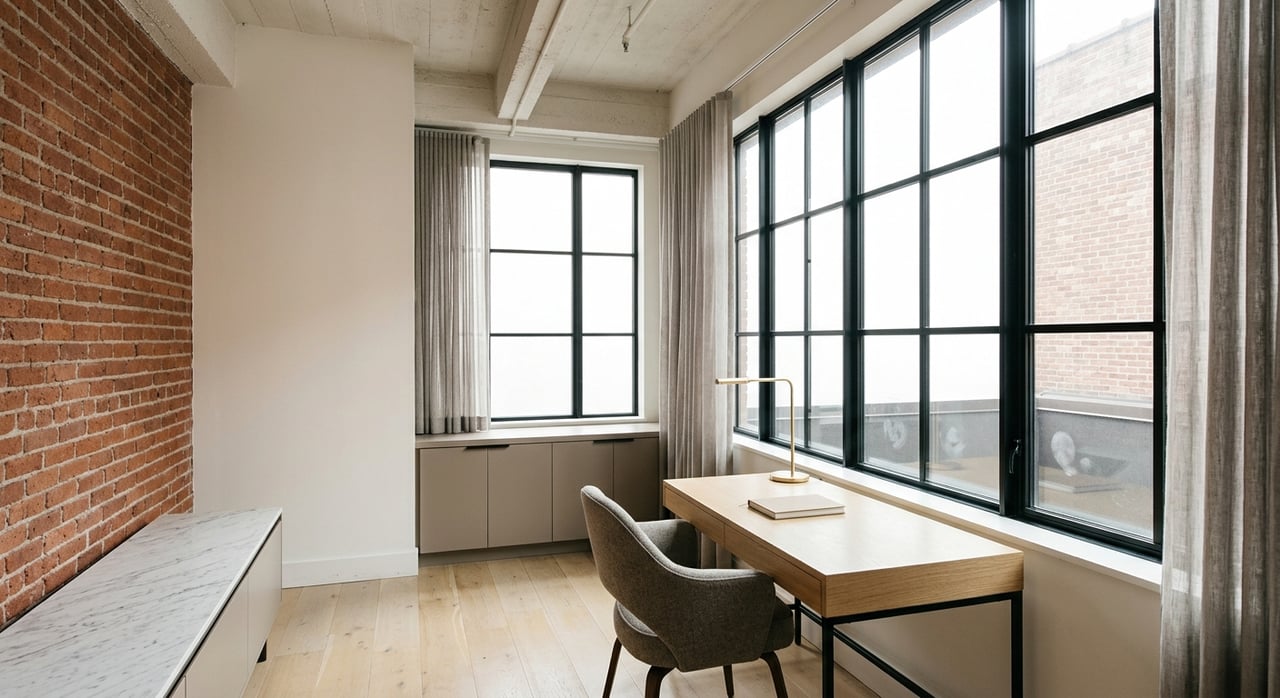
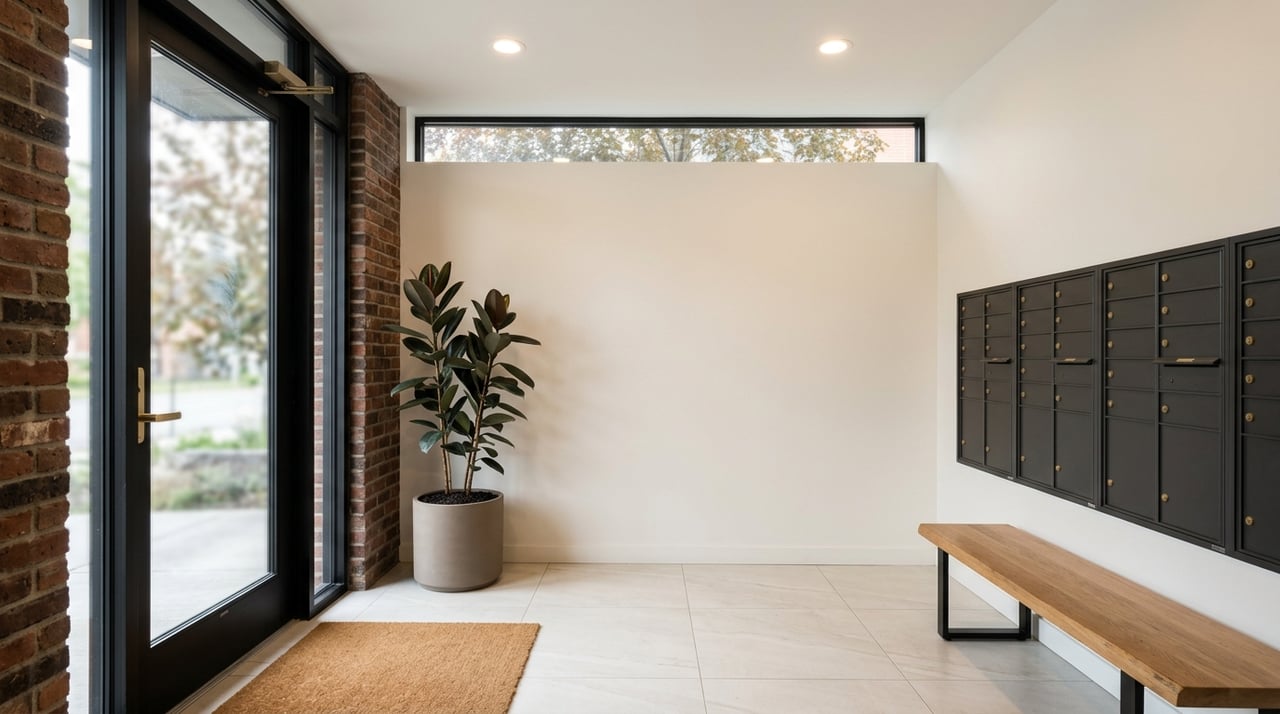
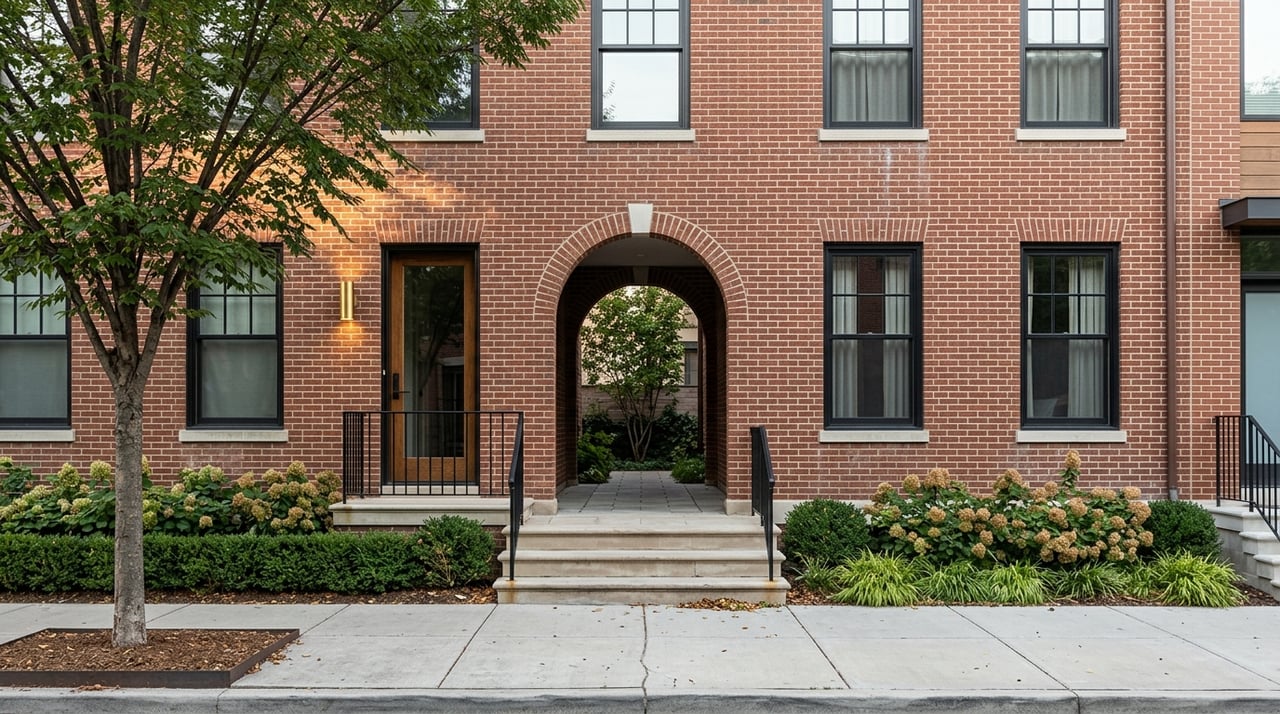
Courtyard buildings are one of the signature property types in Chicago, and they are a major part of what gives Albany Park its character. According to the Chicago Architecture Center, these buildings were mostly built between the 1890s and the Great Depression. They are typically three- to four-story brick buildings arranged around a shared central garden or courtyard with separate unit entrances.
For buyers, courtyard condos often offer a mix of vintage charm and efficient space. Recent Albany Park examples include 1- to 3-bedroom homes ranging from roughly 800 to 1,900 square feet. Asking prices in the sample set ranged from about $199,900 for a 1-bedroom unit to $300,000 for several 2- and 3-bedroom vintage condos, with a larger 3-bedroom condo in a 2003 building listed at $595,000.
Many current listings share similar details and finishes. You will often see features like:
Some units also include extras that can shift value in a meaningful way. Recent examples mention semi-private rear decks, tandem parking, garage spaces, and monthly HOA assessments in the mid-$300s to low-$400s.
When you compare courtyard units, look beyond the bedroom count. A 2-bed/1-bath and a 2-bed/2-bath may feel very different in day-to-day use, and shared building costs can change the monthly budget.
Focus on these questions:
In Albany Park, some condo assessments in current examples are around $356 and $409 per month. Another listing includes heat, water, and trash in the assessment, which can make monthly costs easier to predict.
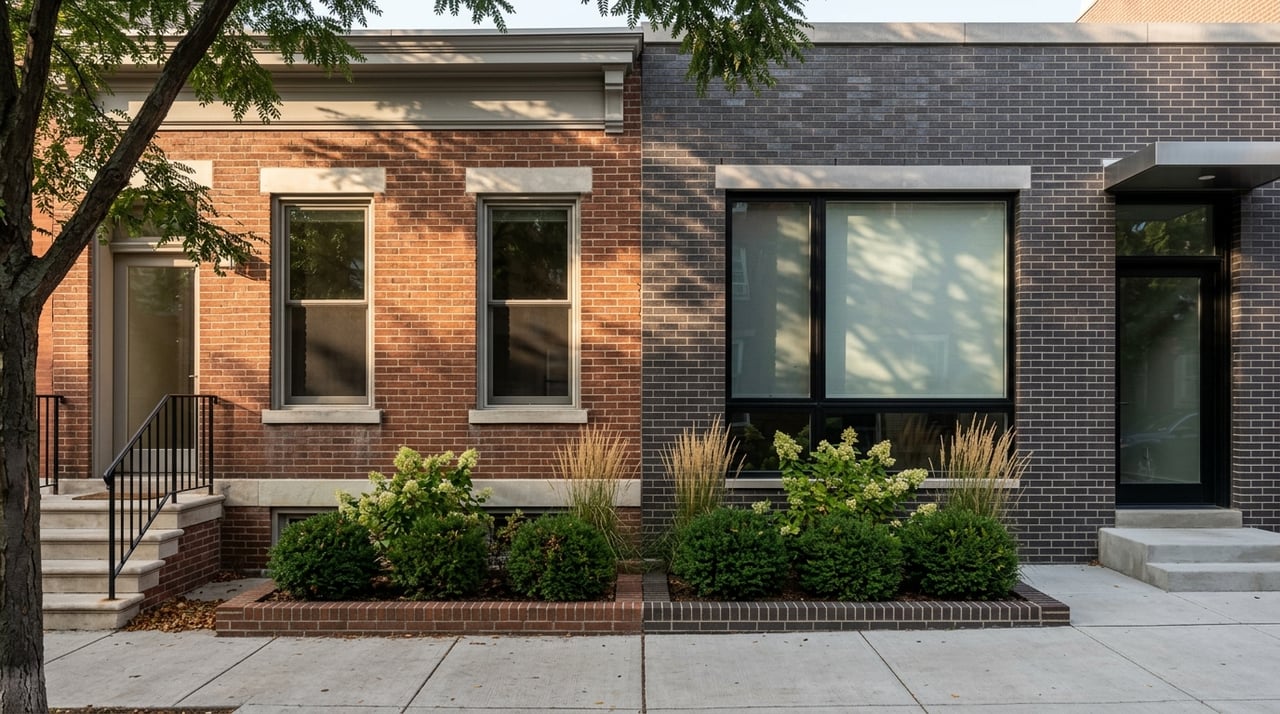
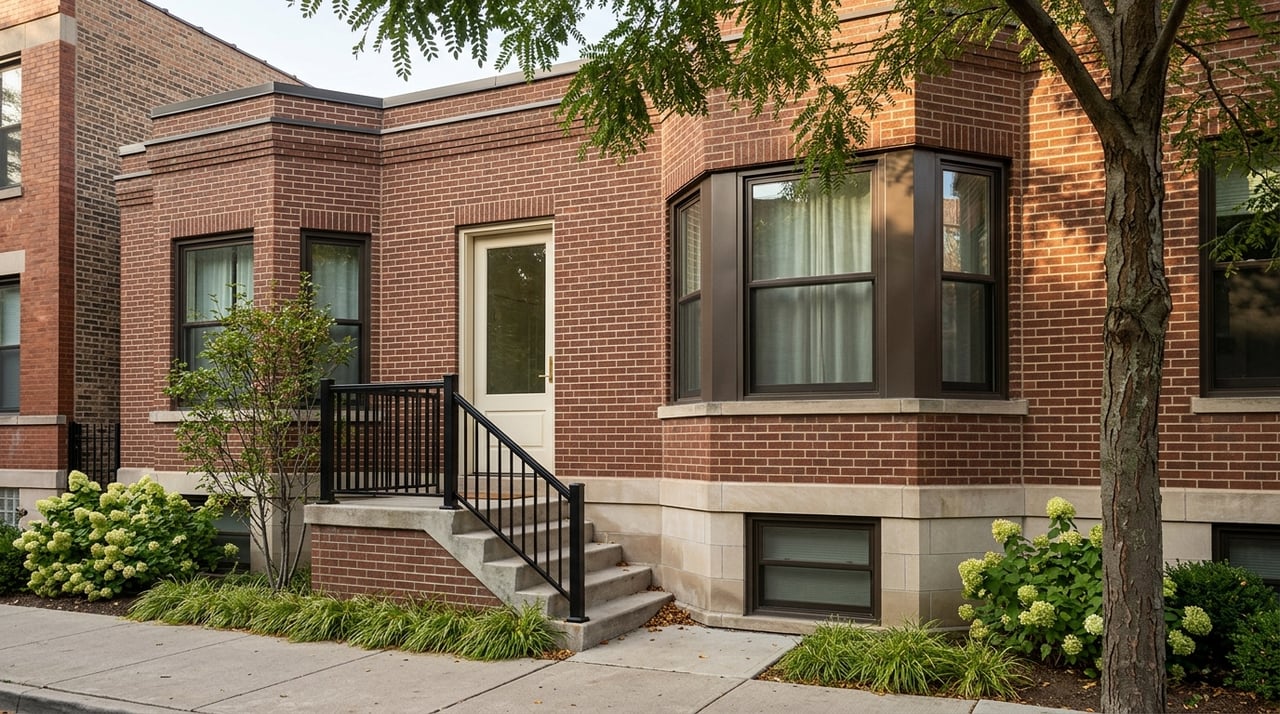
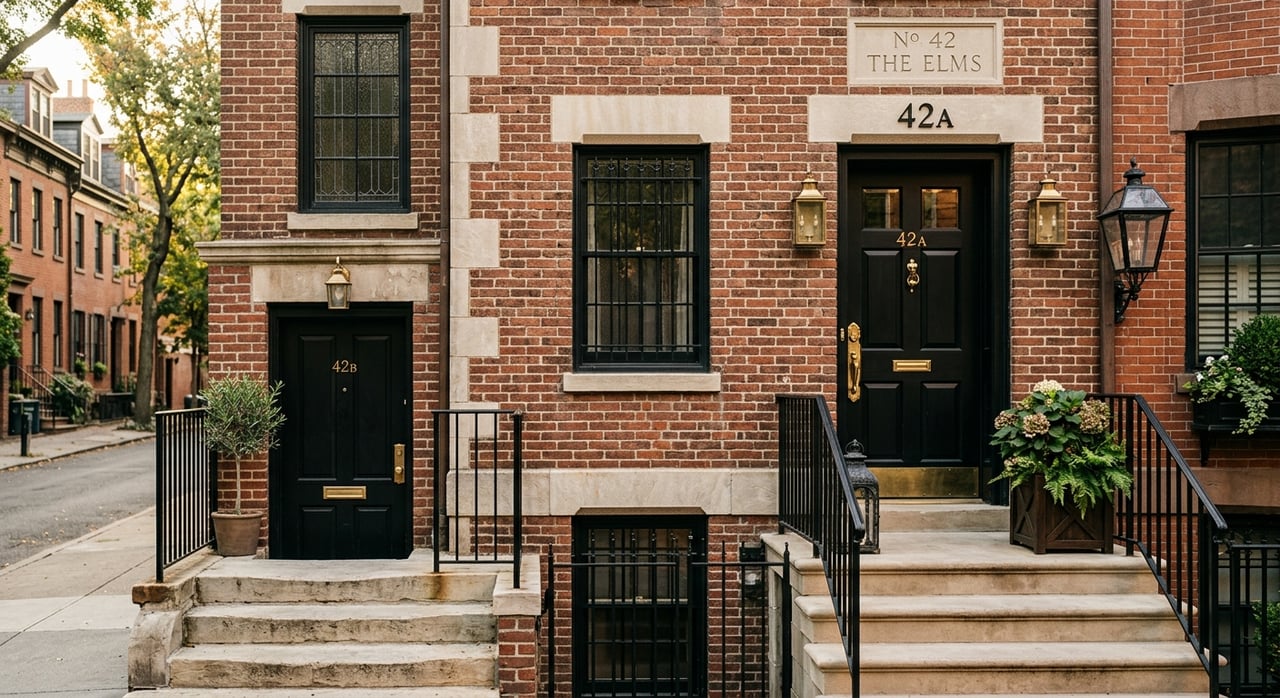
If courtyard condos are one major part of Albany Park, classic flats are the other. The Chicago Architecture Center describes Chicago’s two- and three-flats as typically two-story buildings with one apartment per floor, bay windows, and brick or greystone facades. Many were built between 1900 and 1918, and that basic form still shapes a large share of what buyers see in the neighborhood.
In practical terms, these properties often offer more flexibility than a condo. You may find sunrooms, enclosed porches, basement or garden-level space, and separate floor plans that suit owner-occupants, multigenerational households, or buyers exploring rental income potential. That is one reason small multifamily housing remains such an important part of the Albany Park market.
Redfin’s Albany Park newest-listings page showed 21 multi-family units for sale in the past month. Recent examples include a contingent 2-flat on Troy Street listed at $650,000 with two updated 3-bed/1-bath units, basement living space, new electrical, plumbing, lintels, and a two-car detached garage. Another 2-flat on Monticello sold for $735,000 after a full rehab that included new plumbing, heating, electric, windows, kitchens, bathrooms, and a new 2.5-car garage.
For many buyers, a two-flat can solve more than one goal at once. You may want a place to live with additional space for extended use, or you may want a property where layout and separate units create more options over time.
The appeal often comes down to:
Recent Albany Park examples suggest that current and recent 2-flat pricing often clusters from the mid-$600,000s to the mid-$700,000s, with more updated or larger buildings pushing higher.
Condition matters as much as layout in this property type. In Albany Park listings, sellers frequently highlight updates such as new plumbing, electrical, windows, roofs, heating systems, and lintels. Those details are important because vintage buildings can vary widely in how much work has already been done.
As you compare options, pay close attention to:
This is where practical guidance can make a real difference. A polished showing may highlight finishes first, but long-term value usually depends on the building’s underlying condition and how functional the layout is for your goals.
If you are hoping for newer construction in Albany Park, you can find it, but it is a smaller part of the market. CMAP estimates that only 3.0% of the neighborhood’s housing was built in 2010 or later, and 6.1% was built from 1990 to 2009. That means most newer options you see are likely to be infill single-family homes or heavily renovated older houses.
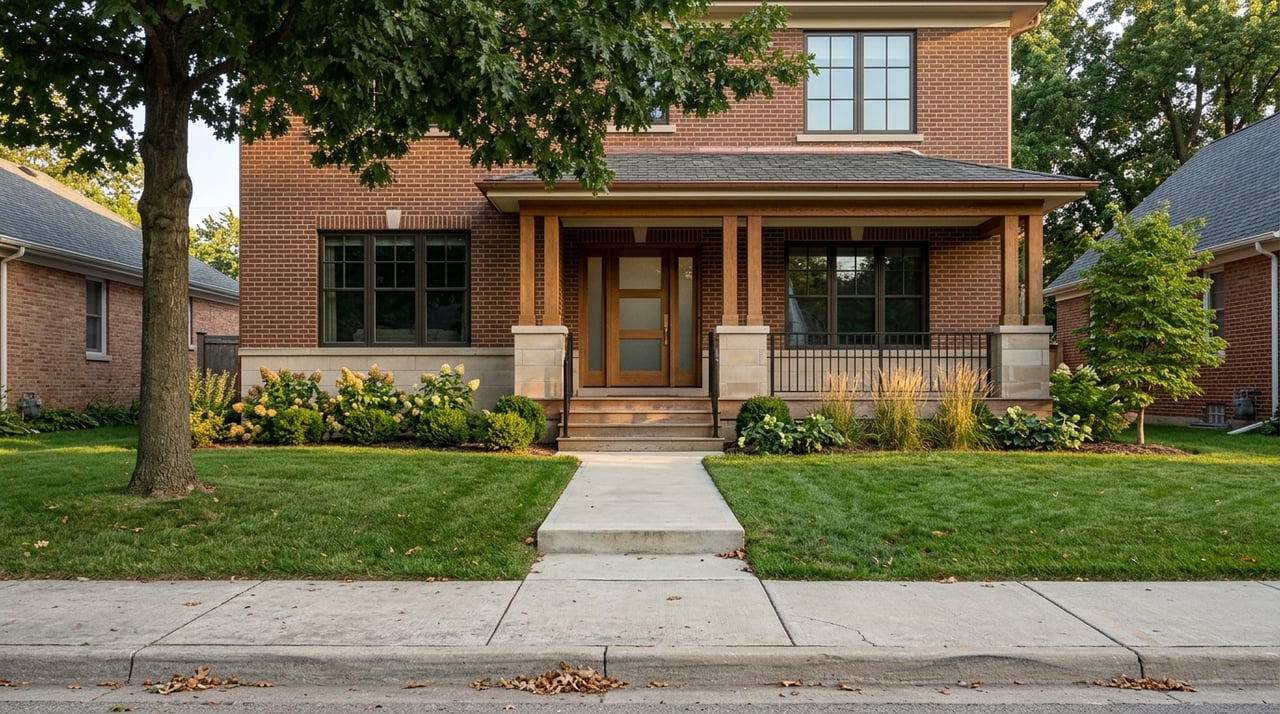
Recent examples show the difference clearly. A 5-bed/4-bath home built in 2026 is listed at $1.15 million and includes Hardie board siding, energy-efficient windows, Thermador appliances, solid hardwood flooring, a tankless water heater, spray-foam insulation, radiant heated primary bath floors, and a two-car garage. Another 4-bed/4-bath home built in 2024 is listed at $929,000 with quartz countertops, Bosch appliances, a finished lower level, and a contemporary exterior.
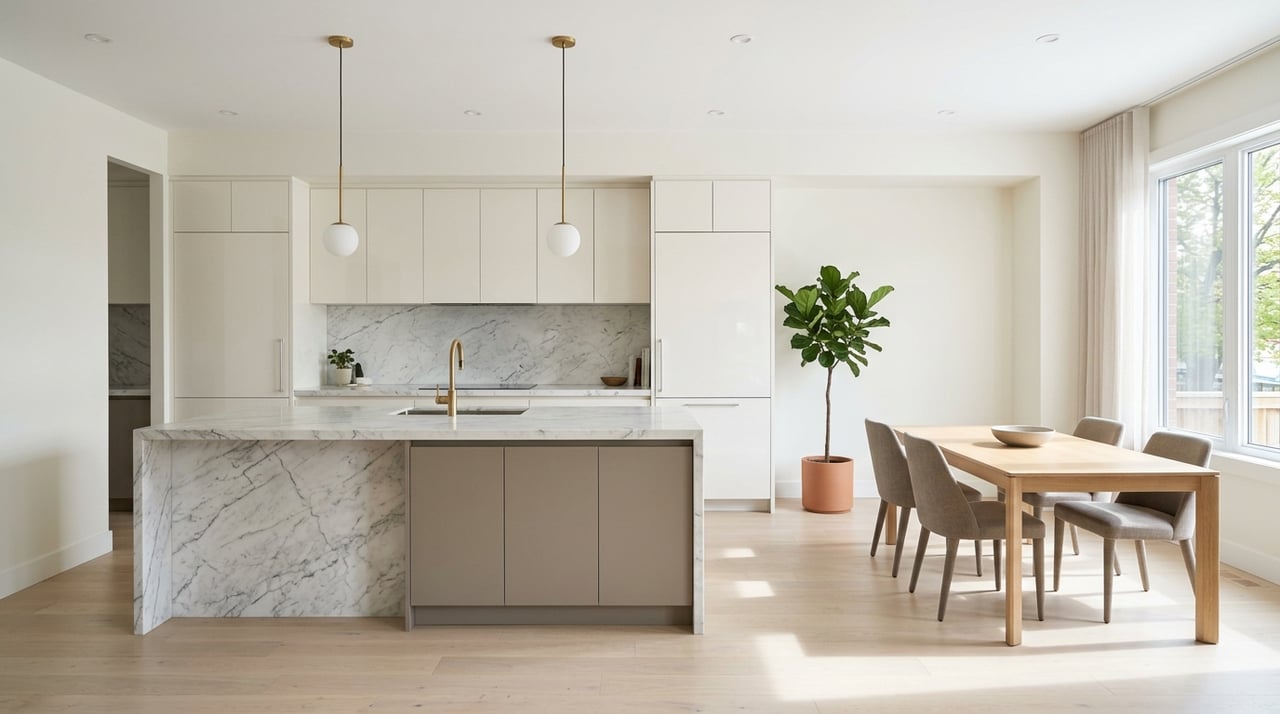
Newer homes often attract buyers who want more turnkey living and modern systems. Compared with vintage properties, they may offer a more open layout, stronger insulation, newer windows, and a finish package that feels current from day one.
In Albany Park, recent new-build features include:
That said, newer does not always mean better for every buyer. If your budget is closer to the mid-$400,000s or low-$500,000s, older detached homes with meaningful updates can still offer strong value. Recent examples include a 3-bed/1.5-bath at $425,000 and a 3-bed/2-bath at $525,000.
Townhomes appear in Albany Park, but they are not the main story. Redfin’s newest-listings page showed only one townhouse in the latest month, which suggests this is a much thinner category than condos or small multifamily properties.
A recent townhome example was a 4-bed/2-bath, 2,300-square-foot unit estimated at $458,800. Features included central heat and AC, in-unit laundry, hardwood floors, a marble primary bath with jacuzzi, a gourmet kitchen, and one parking space.
For some buyers, a townhome can offer a middle ground. You may get more square footage and a more house-like feel than a condo, while keeping a smaller footprint than a detached single-family home. The challenge is simple: there may not be many available at one time, so timing matters.
Because Albany Park has such a mixed housing stock, it helps to compare properties by function, not just by headline price. A lower-priced vintage condo may come with HOA costs and less storage. A two-flat may offer more flexibility but require deeper due diligence. A newer home may reduce immediate repair needs but sit at a much higher price point.
Here is a simple way to frame your search:
Courtyard condos and classic flats often deliver the architectural details buyers love most. Hardwood floors, molding, sunrooms, bay windows, and brick exteriors are common themes.
Two-flats and small multifamily properties usually provide the most adaptable layouts. Separate units, basement space, and garage access can create more options for how you use the property over time.
Newer single-family homes and recent rehabs will likely be your best fit. Focus on build quality, materials, insulation, and how well the layout supports daily life.
Pay close attention to recurring costs. For condos, that means HOA assessments and inclusions. For multifamily or detached homes, that means condition of systems, likely maintenance needs, and parking setup.
Albany Park stands out because it gives you several very different ways to buy into the neighborhood. The area’s older housing stock, dense building mix, and smaller supply of newer construction create a market where style alone does not tell the whole story. In many cases, the smartest comparison is not condo versus house. It is vintage charm versus renovation scope, flexibility versus simplicity, and price versus condition.
If you want help sorting through those tradeoffs, working with a broker who understands both residential sales and multifamily decision-making can save you time and help you compare options more clearly. For a tailored, high-touch approach to buying or selling in Chicago, connect with Kandyse McCoy Cunningham.
Stay up to date on the latest real estate trends.