Chicago House Hacking Guide for Owner-Occupant Buyers
May 28, 2026
May 28, 2026
Thinking about lowering your housing cost in Chicago while building long-term real estate experience? House hacking can be a practical way to do both, but in this city, the details matter. If you plan to live in one unit and rent the rest, or buy a home with legal rentable space, you need to think about financing, zoning, permits, and day-to-day ownership before you make an offer. Let’s dive in.
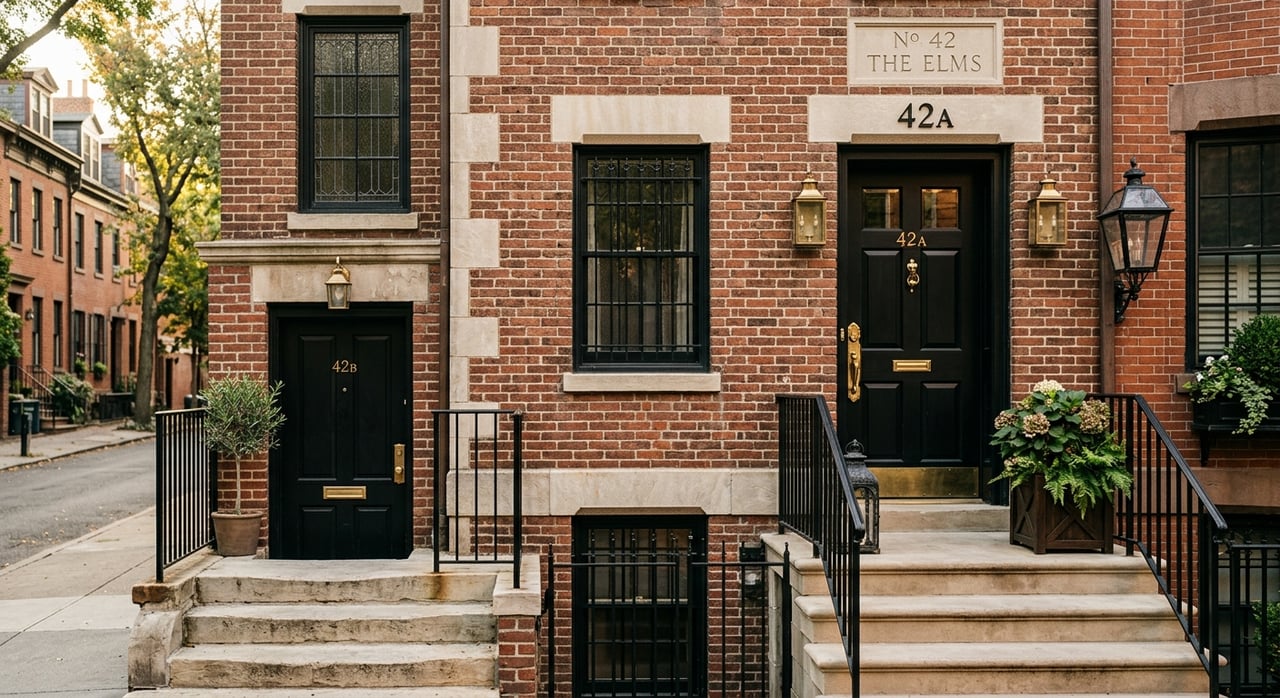
In Chicago, house hacking usually means buying a 2- to 4-unit property, living in one unit, and renting the others. It can also mean buying a single-family home with a legal rentable space, such as a coach house or a conversion unit. Under Chicago code, Additional Dwelling Units, or ADUs, include coach houses and conversion units.
That local definition matters because not every extra bedroom, basement, or backyard structure counts as legal rentable space. In Chicago, legality often depends on the exact parcel, the existing number of dwelling units, and the type of unit you want to add or use.
If you plan to live in the property, you may have access to more flexible financing options. FHA remains one of the most accessible paths for many first-time buyers, with down payments as low as 3.5% on 1- to 4-unit properties.
Freddie Mac Home Possible is another option worth knowing. It allows a 3% down payment on eligible 1- to 4-unit homes, although qualifying income is limited to 80% of area median income. Freddie Mac also notes that down payment funds may come from several sources, including family, employer assistance, secondary financing, and sweat equity.
In Chicago, owner occupancy can also matter on the permit side. The city says a building permit may not be issued to add a conversion unit on a zoning lot with three or fewer established dwelling units unless the principal building is owner-occupied at the time of permit application.
That means owner occupancy is not just a loan requirement. It can directly affect whether a planned unit addition is even permit-ready.
House hacking can look simple on paper, but underwriting can get more complex as the property size increases. A 2-flat and a 4-unit building do not always get reviewed the same way by a lender.
For FHA loans on 3- and 4-unit properties, a self-sufficiency test applies. HUD says the property’s principal, interest, taxes, and insurance divided by net self-sufficiency rental income may not exceed 100%.
In plain terms, the building needs to show that the rental income can support the housing payment under that standard. This is one reason a property that looks attractive to you may still be difficult to finance.
Rental income can help, but lenders do not always count it the same way in every scenario. For 2- to 4-unit primary residences, Freddie Mac allows rental income from the units you do not occupy to be treated as eligible rental income for that property type.
If you are looking at a single-family home with an ADU, FHA policy is also relevant. HUD says lenders may count ADU rental income in some cases, and for some borrowers with an existing ADU, up to 75% of estimated ADU rental income may be used.
One of the biggest mistakes buyers make is assuming a space is rentable because it exists. In Chicago, the right question is whether that space is legal, permitted, and compliant for its intended use.
The city’s zoning information is parcel-specific, not neighborhood-specific. Chicago’s zoning map help page says zoning and land-use designations should be checked by address, PIN, or intersection, and broader neighborhood views do not capture all zoning details.
That is why two properties on nearby blocks can have very different answers on what is allowed. Before you rely on projected rent from a coach house, basement unit, or conversion unit, the exact property needs to be reviewed carefully.
A finished basement is not the same thing as a legal dwelling unit. Chicago’s building code says a basement can be used as habitable space or a dwelling unit only when floors and walls are protected against leakage and dampness and the required window area is above grade.
That can turn what looks like a ready-made rental into a much larger project. If the space does not meet code, the cost to bring it into compliance can change your budget fast.
Coach houses can be appealing for house hackers because they create separation between owner and tenant living space. But Chicago has its own standards for them, including limits on height, minimum setbacks, separation requirements, and the rule that a coach house cannot contain more than one dwelling unit.
Parking can also affect feasibility. Chicago’s zoning code says parking and loading standards still apply when additional dwelling units are added unless a specific rule says otherwise.
If you are thinking bigger and plan to add more than one ADU, Chicago’s ordinance includes an affordability requirement. The code says that if two or more ADUs are added to a residential building after May 1, 2021, the owner must maintain 50% of those newly added ADUs as affordable housing units for the required period.
For many owner-occupants, that may not apply to a simpler one-unit addition. Still, it is an important rule to know if you are evaluating a larger value-add plan.
Adding legal rentable space may improve income potential, but it can also affect your property taxes. The Cook County Assessor has stated that adding an ADU increases a property’s assessable area and may increase assessed value.
There may be some relief available. The Assessor has also said homeowners may qualify for a Home Improvement Exemption that can offset the impact for up to four years.
That does not mean every project will pencil out the same way. It means you should look at both income upside and carrying cost changes before you commit.
A smart first pass is simple. Compare expected rent from the tenant units to your full housing cost, then subtract a vacancy reserve and a repair reserve.
This is not the same as formal lender underwriting, but it helps you pressure-test the deal. It also mirrors why rental income plays such a big role in FHA and Freddie Mac review.
A practical screen might include these questions:
If the numbers only work in a perfect month, the property may be too tight. In Chicago, permit work, repairs, and tax changes can shift the economics quickly.
Living on-site does not remove your responsibilities as a landlord. It just changes some of the rules that apply.
Chicago’s Residential Landlord and Tenant Ordinance generally does not govern rental units in owner-occupied premises with six units or fewer. However, the city’s anti-interruption rule still applies, so owner-occupants should not assume they can use self-help tactics or lockouts if a tenancy becomes difficult.
That distinction is important. Even if your building falls within the owner-occupied exclusion, you still need to handle tenant issues carefully and lawfully.
If you later move out and the property no longer fits the owner-occupied exclusion, the full ordinance can become more relevant. In that situation, Chicago requires landlords to maintain the premises in code compliance and provide written disclosure of owner and agent contact information at or before the start of the tenancy.
If you want to start house hacking in Chicago, your first goal is not just finding a cheap multi-unit. It is finding a property where the numbers, the financing, and the legal use all line up.
A practical buying process usually looks like this:
This kind of planning helps you avoid buying based on assumed income that may not be legal, financeable, or sustainable.
Chicago can offer real opportunity for owner-occupants who want to build wealth through real estate. But this is not a market where broad rules or online assumptions are enough.
Because zoning is parcel-specific, owner occupancy can affect permit eligibility, and legal rentable space can change financing and operating costs, your strategy needs to be tied to the exact property. That is where local brokerage insight and management-minded analysis can make a real difference.
If you are exploring a 2- to 4-unit purchase, a coach house opportunity, or a home with conversion potential in Chicago, working with a team that understands both acquisition and ongoing ownership can help you make a more confident move. Connect with Kandyse McCoy Cunningham to explore options that fit your goals.
Stay up to date on the latest real estate trends.