Albany Park's Two-Flats Don't Need Chicago's New ADU Law. They Already Had It.
September 17, 2026
September 17, 2026
If you have been comparing Albany Park to Logan Square, Portage Park, or another North Side neighborhood for a two-flat purchase this fall, you have probably read at least one explainer on Chicago's new citywide accessory dwelling unit ordinance. Most of what you read was accurate. Almost none of it applied to the building you were actually looking at.
Here is the part that gets buried under the "citywide ADU legalization" headline: the ordinance that took effect April 1, 2026 splits Chicago into two very different tracks. Multi-unit residential zoning, the RT and RM districts that cover Chicago's classic two-flats and three-flats, got ADUs by right, citywide, no alderman required. Single-family RS zoning is a different story entirely. There, each alderperson decides whether to opt in their ward, and then sets their own rules on top of that. By the ordinance's April 1 launch, 34 of the city's 50 wards had opted their single-family blocks in, according to the city's own announcement. Sixteen had not.
That distinction matters more in Albany Park than almost anywhere else in the city, because Albany Park's housing stock is overwhelmingly the kind that never had to wait on an alderman in the first place.
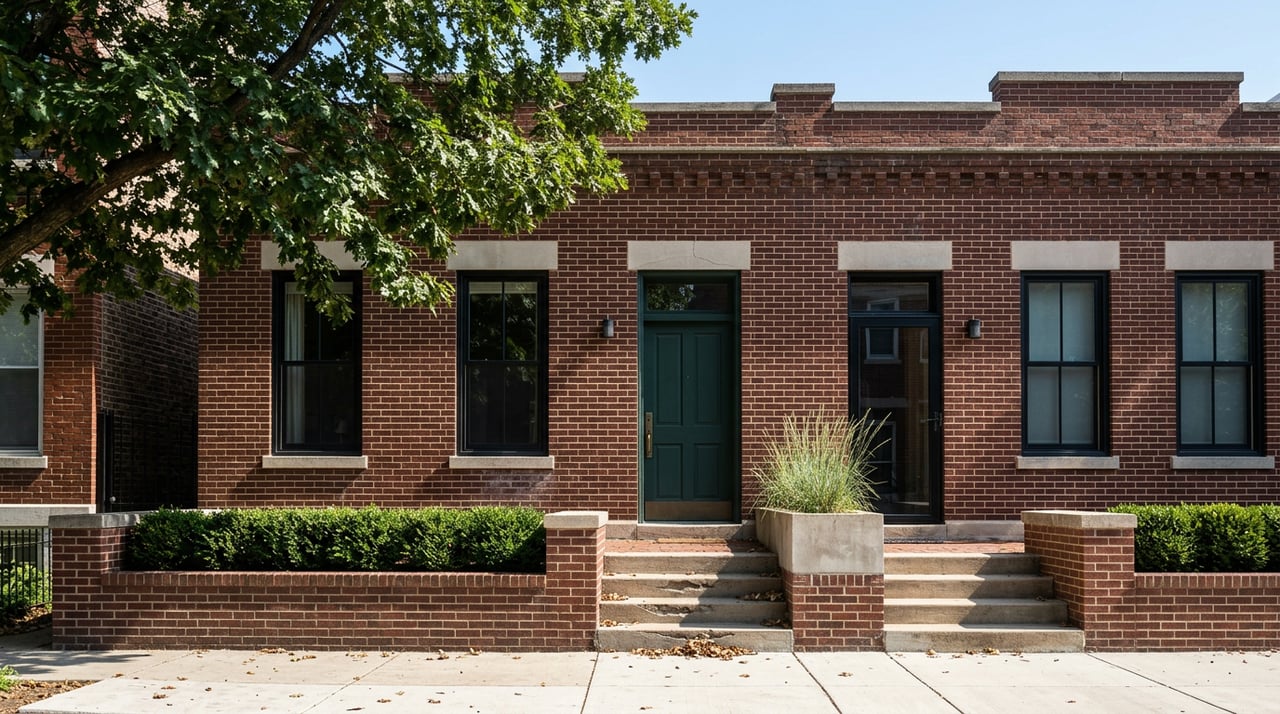
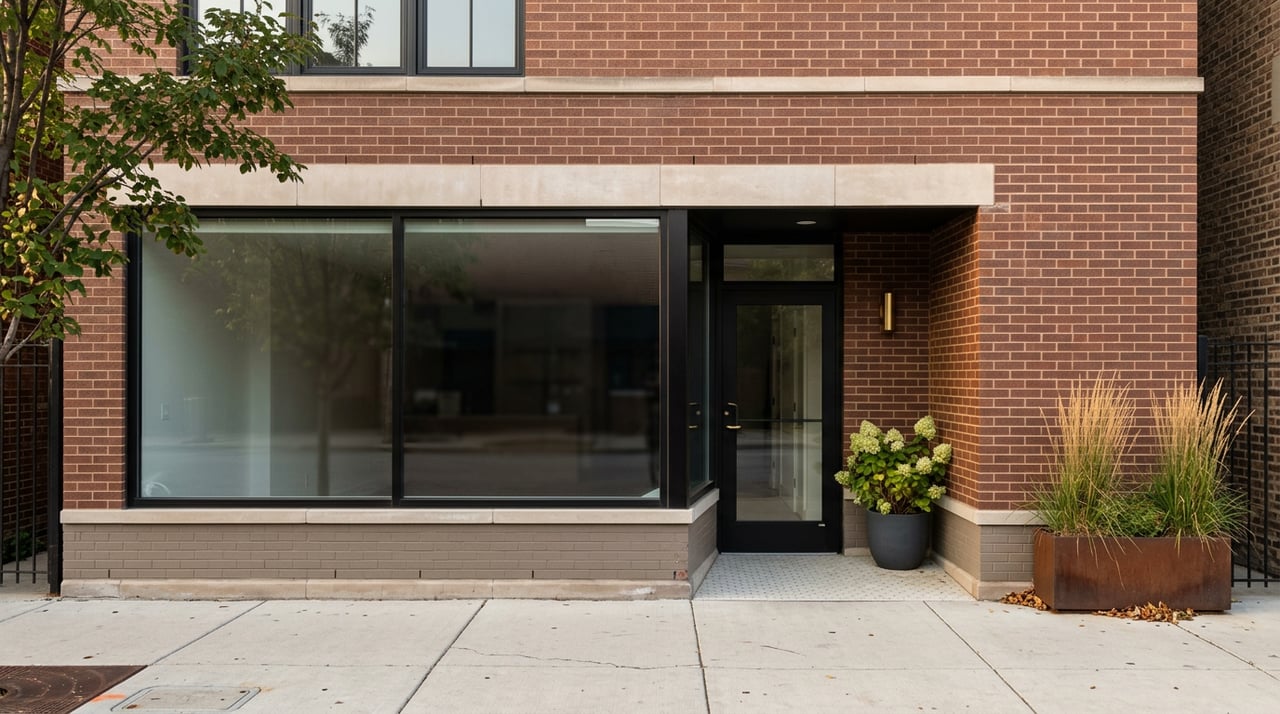
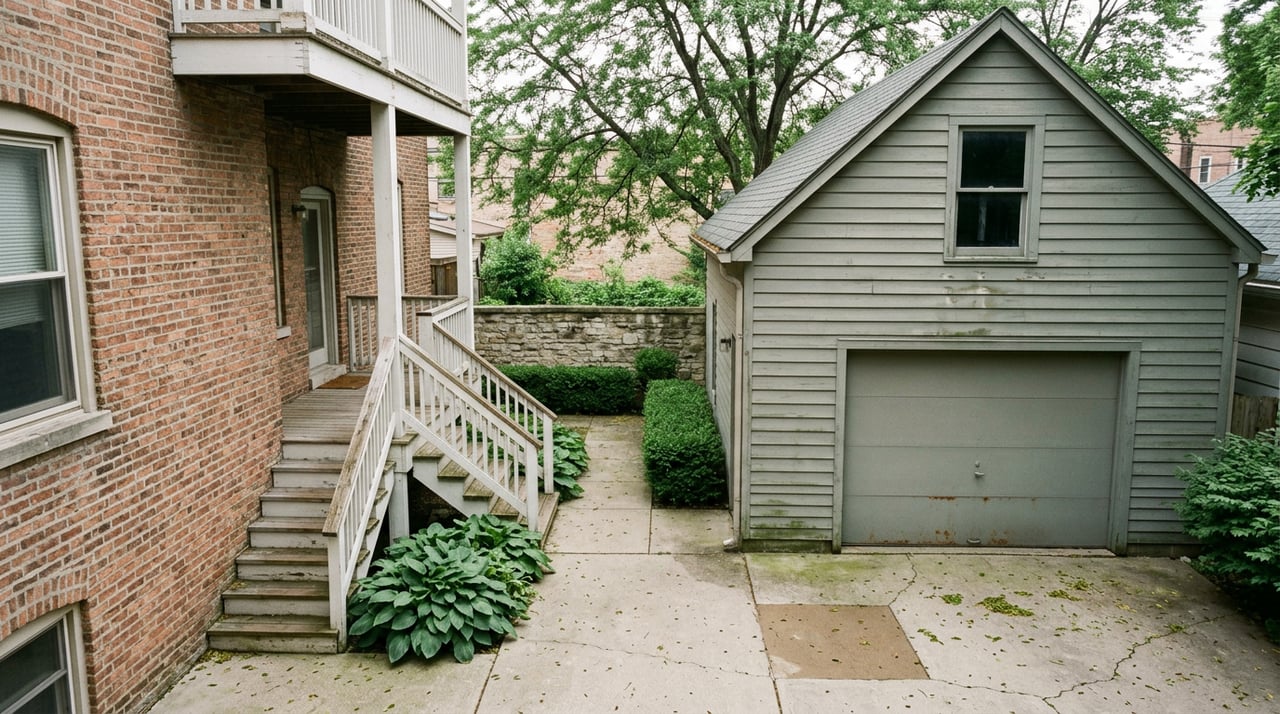
Albany Park is a neighborhood of two-flats, three-flats, and courtyard buildings built in the early twentieth century. That housing type is zoned RT, and RT zoning is exactly the category the new ordinance made eligible everywhere, immediately, with no ward-by-ward negotiation attached. A buyer evaluating a two-flat in Albany Park is not waiting on Ward 33's Alderman Rossana Rodriguez, Ward 35's Alderman Carlos Ramirez-Rosa, or Ward 39's Alderman Samantha Nugent to decide anything. That political layer only governs single-family RS blocks, and those decisions vary block by block across the city regardless of neighborhood.
This is the detail that gets lost when ADU coverage treats Chicago as one undifferentiated market. A buyer comparing two similarly priced properties, one a two-flat in Albany Park and one a single-family home in a neighborhood where the alderman hasn't opted in yet, is not comparing two versions of the same opportunity. One has a clear, immediate path. The other has an open question that depends on a City Council vote that may or may not happen.
There's a second layer that predates the new ordinance entirely. When Chicago first legalized ADUs on a pilot basis in 2021, it carved out five geographic pilot zones. The Northwest zone, one of the five, covers portions of Albany Park along with parts of Avondale, Irving Park, Logan Square, and several other neighborhoods. Property owners inside that zone have been able to apply for ADU permits for close to five years now, well before this year's citywide expansion made headlines.
Two features of that original Northwest pilot zone are worth knowing if you're underwriting a deal. First, unlike the West, South, and Southeast pilot zones, the North and Northwest zones never required the owner to live on site. An off-site investor, not just an owner-occupant, could add a legal ADU on an eligible Albany Park property under the original pilot rules. Second, the Northwest zone has never capped how many ADU permits could be issued on a given block in a given year. City permitting data through late September 2025 shows that in practice, no block in the North or Northwest zones ever came close to needing that cap anyway. Adoption has been steady, not a rush.
That last point is worth sitting with. The pilot program's first year and a half, from May 2021 through roughly the end of 2022, produced only about 106 permits citywide for around 134 units, according to reporting at the time. Five years of legal ADUs in part of Albany Park has not produced a construction boom. It has produced a slow, individual, unit-by-unit build-out. If you are underwriting a portfolio strategy around rapid ADU conversion at scale, the pilot's own track record is the counterargument.
The ordinance recognizes two ADU types, and the cost gap between them is wide enough to change which properties make sense to target.
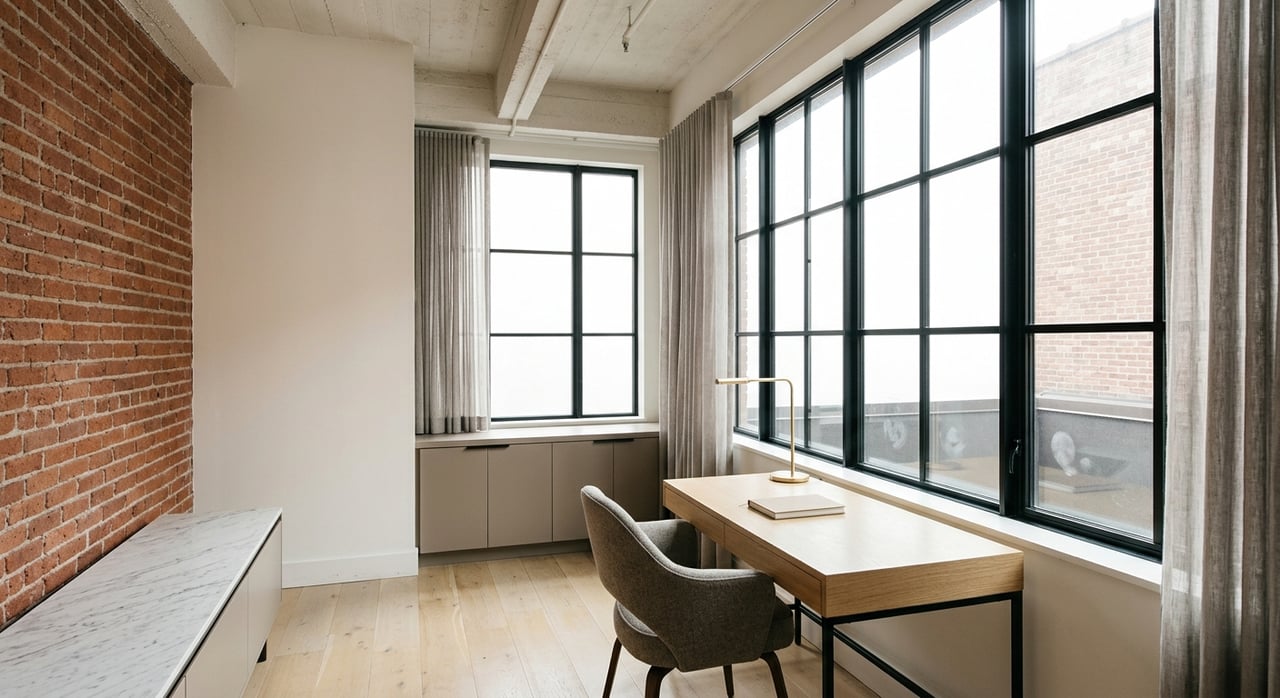
A basement or attic conversion inside an existing building tends to run in the neighborhood of $75,000 to $150,000, depending on how much structural work the space needs before it meets code, based on estimates the Urban Land Institute has put together for Chicago's older two- to four-flat stock specifically. A new detached coach house, built where a garage or open yard space used to be, runs considerably higher, typically $150,000 to $350,000 or more, or roughly $200 to $400 per square foot.
For Albany Park specifically, that cost gap tends to favor the conversion path over new construction. The neighborhood's older two-flats and three-flats generally have basements already, and many sit on lots without the depth or garage configuration that makes a detached coach house pencil out. A buyer running the math should default to asking what the basement can become before pricing out a new structure in the back.
On size, the current ordinance ties a detached coach house's footprint to the lot's required rear setback rather than a flat square-footage cap, limiting it to 60 percent of that setback area, which for a typical Chicago lot works out to a modest structure, not a second full-size home.
Here is the part that a generic ADU explainer will not tell you, and the part that matters most if the two-flat you're evaluating already has tenants.
The ordinance carries an affordability condition. Any owner adding two or more ADUs to a property has to keep half of those new units affordable to tenants earning 60 percent of area median income or below, for a minimum of thirty years. Short-term rentals are off the table entirely for any ADU built under this ordinance.
That rule intersects with something specific to Albany Park. Diane Limas, president of the board at Communities United, a group focused on preserving affordable housing in the neighborhood, has raised a concern that predates this ordinance but still applies to it: basement units that already exist informally, often housing tenants who cannot easily afford a market-rate alternative, may not meet current code. Bringing them up to code so they qualify as legal ADUs can mean real construction cost, and if that cost gets passed along as higher rent, the tenant who was there first is the one who absorbs it.
If you are buying an occupied two-flat or three-flat in Albany Park with an eye toward legalizing an existing basement unit, that is not a detail to skip past. It changes the timeline, it changes the budget, and depending on how you structure the transition, it can change who is living in the building six months after closing.
The comparison a lot of buyers are running right now is simple on the surface: which neighborhood gives me the most ADU upside for the dollar. The honest answer is that the question itself is usually asked at the wrong altitude. Neighborhood-level ADU potential is really a zoning-level and ward-level question dressed up as a neighborhood one.
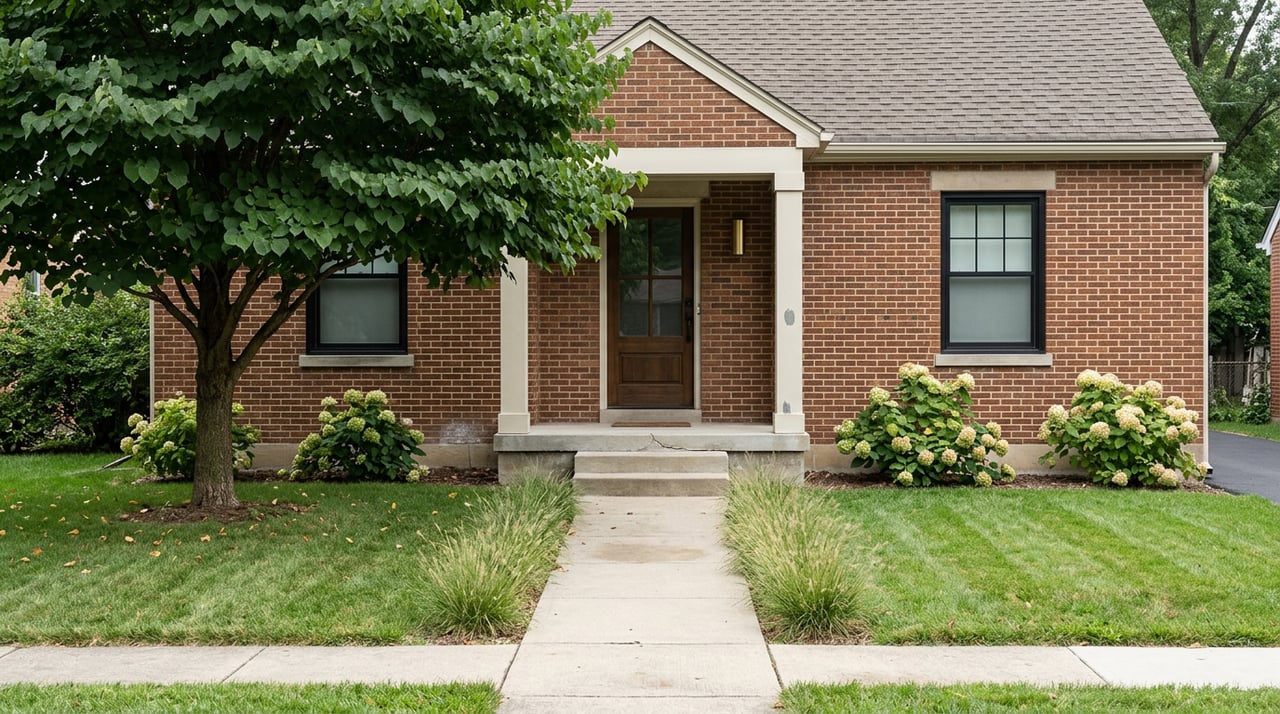
In Albany Park, the answer skews favorable mostly because the dominant building type happens to be the one the ordinance treats most permissively, not because the neighborhood received some special designation. A buyer comparing Albany Park to a neighborhood built mostly of single-family bungalows should ask a more specific question before assuming the grass is greener: what zoning district is this specific parcel in, and if it's RS, has this specific alderman opted the block in yet. That answer will vary street to street even within the same neighborhood.
Do I need my alderman's approval to add an ADU to a two-flat in Albany Park? If the property is zoned RT or RM, which covers most of the neighborhood's classic two-flat and three-flat stock, no. That zoning category is eligible by right, citywide, with no aldermanic sign-off required. That changes only if the specific parcel is zoned RS, single-family, in which case the local alderman's opt-in status and rules apply.
Is a basement conversion actually cheaper than building a coach house? Generally yes, and often meaningfully so. Estimates for a basement or attic conversion tend to fall in the $75,000 to $150,000 range depending on the structural work needed, while a new detached coach house typically runs $150,000 to $350,000 or more. Given Albany Park's older basement stock and typical lot configurations, conversion is usually the more realistic first option to price out.
Does the affordability set-aside apply if I only build one ADU? The 50 percent affordable set-aside requirement applies specifically when an owner adds two or more ADUs to a single property. Adding a single ADU does not trigger that condition, though the short-term rental restriction applies regardless of how many units you add.
Zoning maps, ward boundaries, and permit rules change how a specific Albany Park property performs on paper long before any renovation begins. If you're weighing a two-flat or three-flat purchase here and want a read on what a specific parcel's zoning actually allows, MC Luxury Real Estate Group can walk through it with you directly. Get Access To My Private Listings.
Stay up to date on the latest real estate trends.